


SHOPPING CART
Your cart is empty.
shop now
Your cart is empty.
shop now
Lab errors from leaking or unstable containers lead to wasted test runs and unreliable data. Knowing root causes helps avoid costly DTA analysis mistakes and project delays.
To solve issues with sample containers in DTA, focus on proper sealing, inert container materials, and close compatibility matching. Fixing leaks and preventing contamination ensures reproducible and accurate thermal analysis measurements.
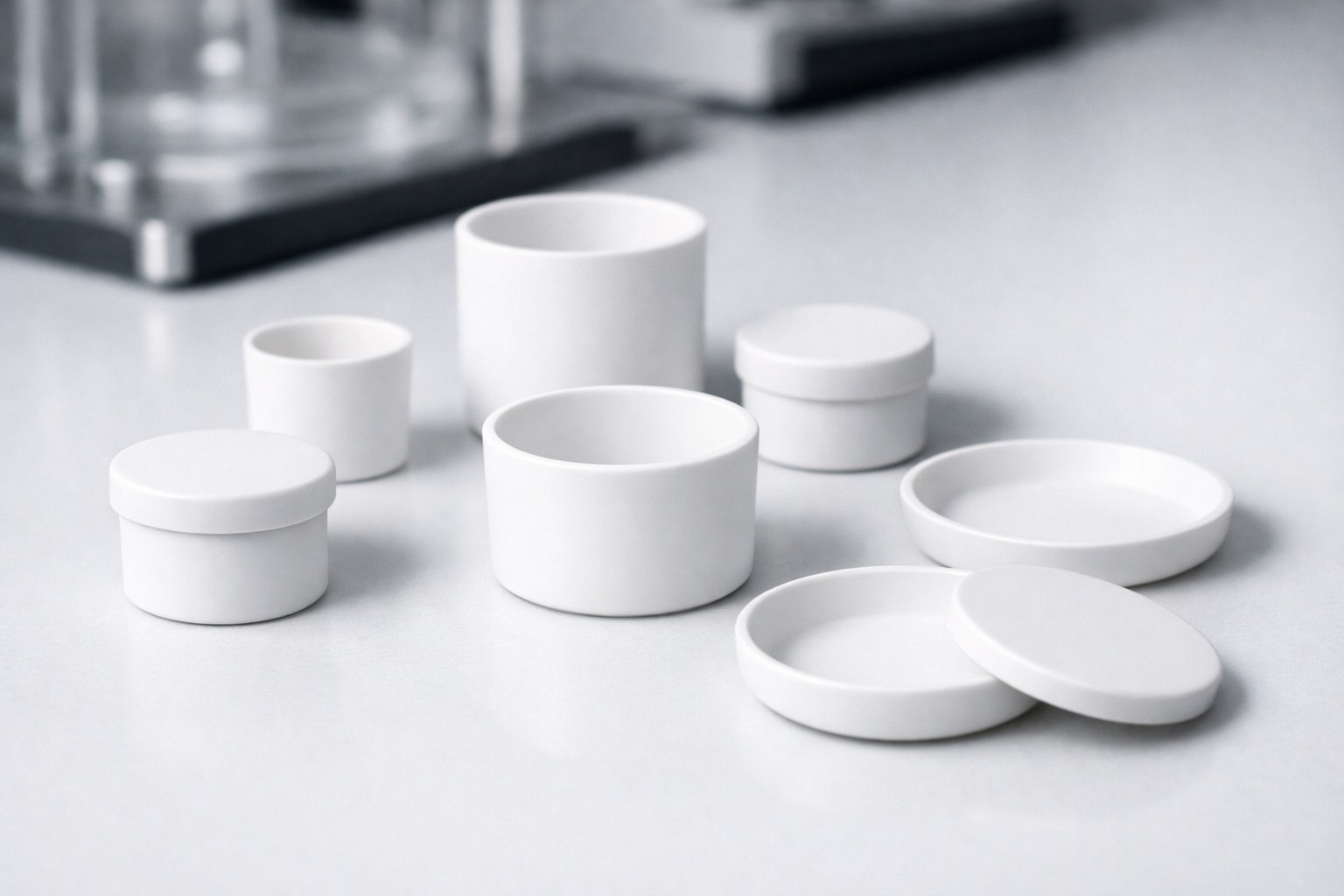
I always check materials, seals, and compatibility before each run. These simple steps have helped me and my colleagues troubleshoot DTA container problems and achieve better, cleaner science.
Leaking sample containers risk both your data and the thermal analysis equipment. Most leaks come from poor seals, wrong materials, or using the wrong design for volatile or liquid samples.
If a sample container leaks, stop the test, clean the equipment, and switch to a properly sealing, heat-resistant type. Use hermetic or vented containers for volatile samples and double-check for any cracks or seal issues before running DTA (Differential Thermal Analysis).
| Leak Source | Main Cause | Solution | Lab Example |
|---|---|---|---|
| Poor lid design | Loose or warped lid | Switch to hermetic containers | Moist/wet pharma samples |
| High sample pressure | Gassing or expansion | Use vented or pressure-resistant pans | Polymer curing test |
| Material melting | Overheating | Choose higher temp material (e.g., platinum) | High-temp salts |
| Container crack | Damage or poor QC | Inspect and replace | Repeated-use aluminum pans |
Contamination is a top source of false or misleading DTA signals. Causes include residue from past tests, container reactivity, or using the wrong cleaning process.
Prevent contamination by using inert containers (such as platinum), cleaning with approved lab solvents, and drying before use. Keep separate containers for incompatible sample types and always store in clean, dry conditions (contamination).
| Contamination Source | Prevention | Cleaning Method | Best Practice |
|---|---|---|---|
| Residue | Thorough cleaning each use | Solvent, heat or acid wash | Single use for trace analysis |
| Incompatible material | Select inert container | Use high-purity alloy | Use platinum for organics/metals |
| Cross-sample mix | Group by sample type | Dedicated or disposable pans | Label or color-code pans |
| Bad storage | Dry, sealed container | Desiccant or air-tight box | Immediate post-wash storage |
Reaction between the sample and the container can skew results or even ruin the sample. This often happens with reactive metals, acids, or salts and the wrong choice of container material.
Stop unwanted reactions by matching your sample's chemistry with an inert container. Platinum and some ceramics resist most reactions. Check for any known incompatibilities before choosing your pan to ensure clean results (chemical reactivity).
| Sample Type | Risk Level | Ideal Container | Typical Error |
|---|---|---|---|
| Sulfur compounds | High | Pure platinum or ceramic | False exotherms |
| Acidic solution | Medium | Ceramic, gold-lined | Sudden mass drop |
| Metals/alloys | Medium-high | Platinum or alumina | Contamination, loss of sample |
| Reactive organics | Medium | Aluminum, platinum | Shifted baseline |
Thermal degradation of the container can interfere with data or cause sample loss. Low-quality pans or incorrect material selection are obvious sources in these situations.
Pick sample containers rated for your experiment’s highest temperature. Always check the material performance curve and avoid using thin pans for extreme heat or lengthy runs. Ceramics and platinum last the longest under repeated cycles and high temperatures (thermal degradation).
| Container Material | Max Safe Temp (°C) | Degradation Risk | Longevity |
|---|---|---|---|
| Aluminum | 630 | Softens, melts | Low (single/multi-use) |
| Ceramic | 1750 | Rare, may crack | High (multi-cycle) |
| Platinum | 1600 | Very rare | Very high (frequent reuse) |
| Gold-lined | 1000 | Surface oxidation possible | Medium-high |

C082.Wangdefu International Building, Furong, Changsha, Hunan, China


+86-19907415020