


SHOPPING CART
Your cart is empty.
shop now
Your cart is empty.
shop now
Lab budgets often face pressure. Buying sample pans can quickly add unexpected costs, especially if you run lots of thermal analysis every month.
You can find cost-effective alternatives for high-quality DSC sample pans by comparing market prices, exploring compatible third-party brands, and looking for suppliers who balance price with reliability and material quality.
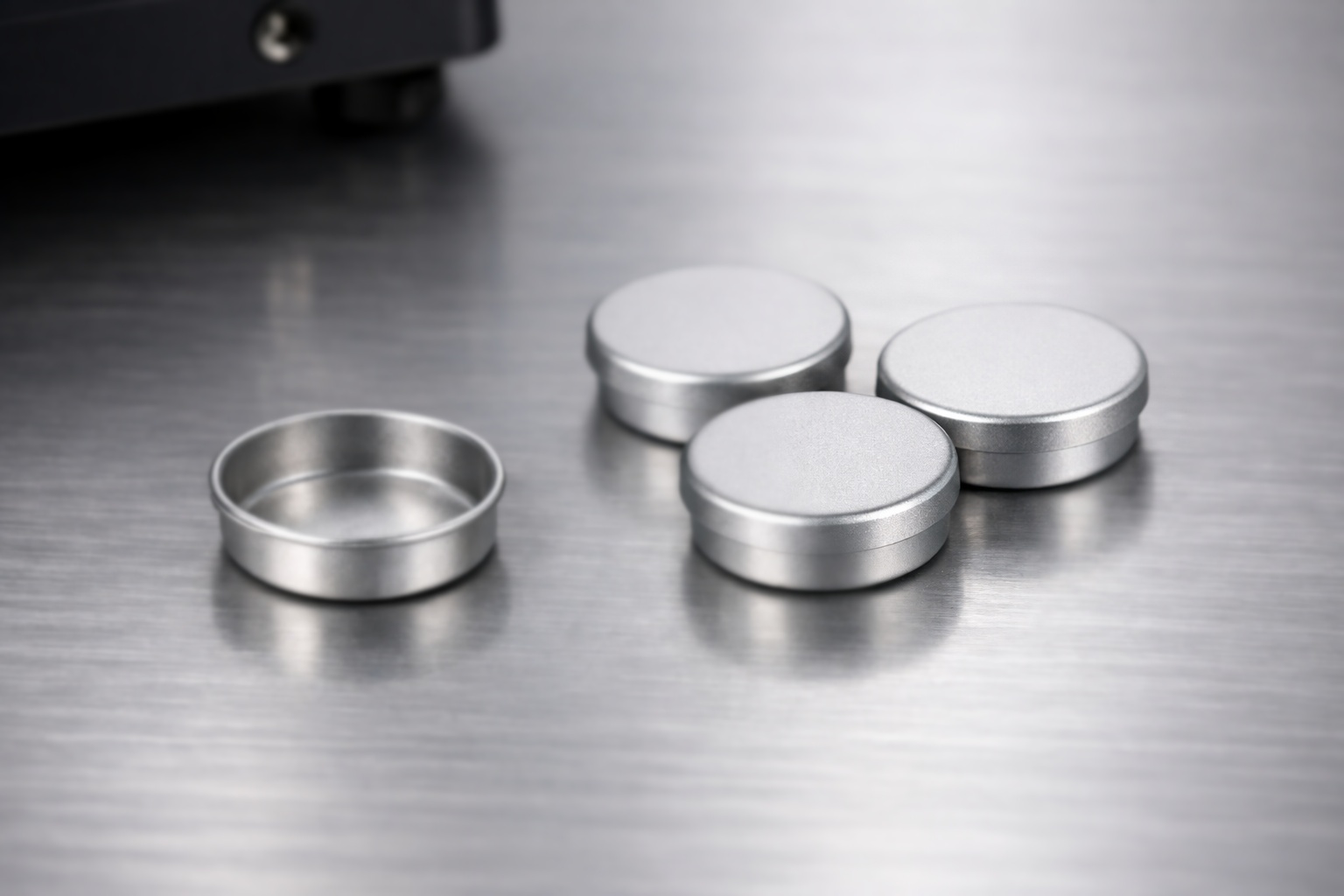
Laboratories want lasting performance and reliable results. When you look beyond big name brands, you often find products with equal quality, strong technical support, and faster delivery at lower prices.
Some labs pay several times more than needed for sample pans. Not knowing the market rate wastes your research budget and reduces testing frequency.
DSC sample pans usually cost between $10 and $30 per pan. Buying packs of 20 or more often reduces the unit price significantly for most research and QC labs.
| Type | Average Price per Pan (USD) | Bulk Pack Options | Source |
|---|---|---|---|
| Aluminum (Standard) | 10–20 | 20, 50, 100 pcs | REDTHERMO, major lab supply stores |
| Platinum | 50–100+ | 5, 10 pcs | Specialty suppliers |
| Gold-Covered | 40–80 | 5, 10 pcs | OEM, niche vendors |
| Compatible Replacement | 8–15 | 20, 50 pcs | REDTHERMO, select third-party brands |
| Custom-Sized | 15–40 | As needed | Custom machinists, REDTHERMO |
I watch prices fluctuate, but most high-purity aluminum DSC pans stay in the $10–20 range if you buy from direct China-based suppliers. Data from Sigma-Aldrich (2024) show that bulk discounts can save you 20% or more over single-unit purchases. Always ask for current pack rates—the lab supply market can change every quarter based on raw metal costs and demand spikes.
Laboratories need to watch costs carefully, especially with high-throughput projects. Many believe cheap pans equal low quality, but smart shopping can disprove this idea.
Yes, you can buy budget-friendly DSC pans from select suppliers who focus on compatibility and high-purity materials without charging premium brand prices.
| Supplier | Budget Pan Type | Price Range (USD/pcs) | Compatibility | Shipping Speed |
|---|---|---|---|---|
| REDTHERMO | Aluminum, hybrid alloy, custom | 8–12 | TA, PerkinElmer, NETZSCH, | 1–5 days (DHL/UPS) |
| Lab Marketplace | Generic refurbished | 6–10 | Fit common DSC trays | 5–12 days |
| University Purchasing Co-op | Bulk generic | 7–9 | Entry models | 2–3 weeks |
I compare specs and ask for certifications when evaluating budget-friendly options. Some third-party vendors, like REDTHERMO, offer clear compatibility charts and rapid delivery. The Journal of Materials Science (2021) reports that compatible pans, even from lesser-known brands, provide equal thermal performance for organic or polymer samples if they match exact specs. Going direct to modern suppliers can cut costs up to 50% versus legacy brands.
Choosing purely on price risks unstable data. At the same time, the highest price does not guarantee best results or durability.
Balance cost and quality by looking for pans with published material purity, precision, vendor support, and return options. Avoid imitation products without technical certification.
| Decision Factor | How to Check | What it Means |
|---|---|---|
| Material Certificate | Ask for ISO or purity sheet for each pan lot | Guarantees traceability and repeatable results |
| Precision Tolerance | Review sizing (±0.01mm) | Assures correct fit and heating properties |
| Bulk Pack Savings | Get quotes for 20+ pans/pack | Reduces cost per test, quicker restock |
| Support Service | Contact vendor for sample questions | Reliable technical help if any fit or result issue |
| Return Policy | Ask for clear returns/refunds terms | Easy resolution for rare defects or mismatch |
I always ask for a material certificate and test batches before larger orders. Peer-reviewed analysis in Thin Solid Films shows that well-tested, traceable pans lead to lower experiment errors. Make sure your vendor stands behind product specs, and always compare a few actual results before locking in supply contracts.
High usage or corrosive samples will quickly expose weak pans. Some budget brands deliver poor durability, leading to leaks or cracks.
The most durable, low-cost DSC pans are made of high-purity aluminum or hybrid alloys, follow exacting manufacturing standards, and have consistent wall thickness and surface finish.
| Pan Type | Durability Rating | Recommended Use | Notes |
|---|---|---|---|
| High-Purity Aluminum | Very High | Most organics, pharmaceuticals, quick run tests | Industry standard, easy to source |
| Hybrid Alloy | High | Higher temp runs, polymer blends | May cost 10–15% more, less common |
| Gold or Platinum | Exceptional | Highly corrosive or high-precision work | Platinum is costly, usually reserved for advanced R&D |
| Generic Refurbished | Low-Moderate | Trial runs, teaching | Check for surface defects before routine use |
I find that consistent walls and secure seals prevent most pan failures even in daily use. When in doubt, opt for high-purity aluminum, tested for chemical resistance and exacting fit. The Encyclopedia of Materials Science notes that thin alloy pans with precise crimping withstand hundreds of cycles for standard DSC samples. Always store pans in original boxes and avoid cheap off-brand products with no quality data sheets.

C082.Wangdefu International Building, Furong, Changsha, Hunan, China


+86-19907415020