



SHOPPING CART
Your cart is empty.
shop now
Your cart is empty.
shop now
Many labs want better thermal analysis results but face confusion when picking the right DSC sample pans. Choices become harder with many models and changing project needs.
Selecting PerkinElmer DSC sample pans means looking at your materials, instrument, and testing style. The right choice gives more reliable results and makes your investment last longer.
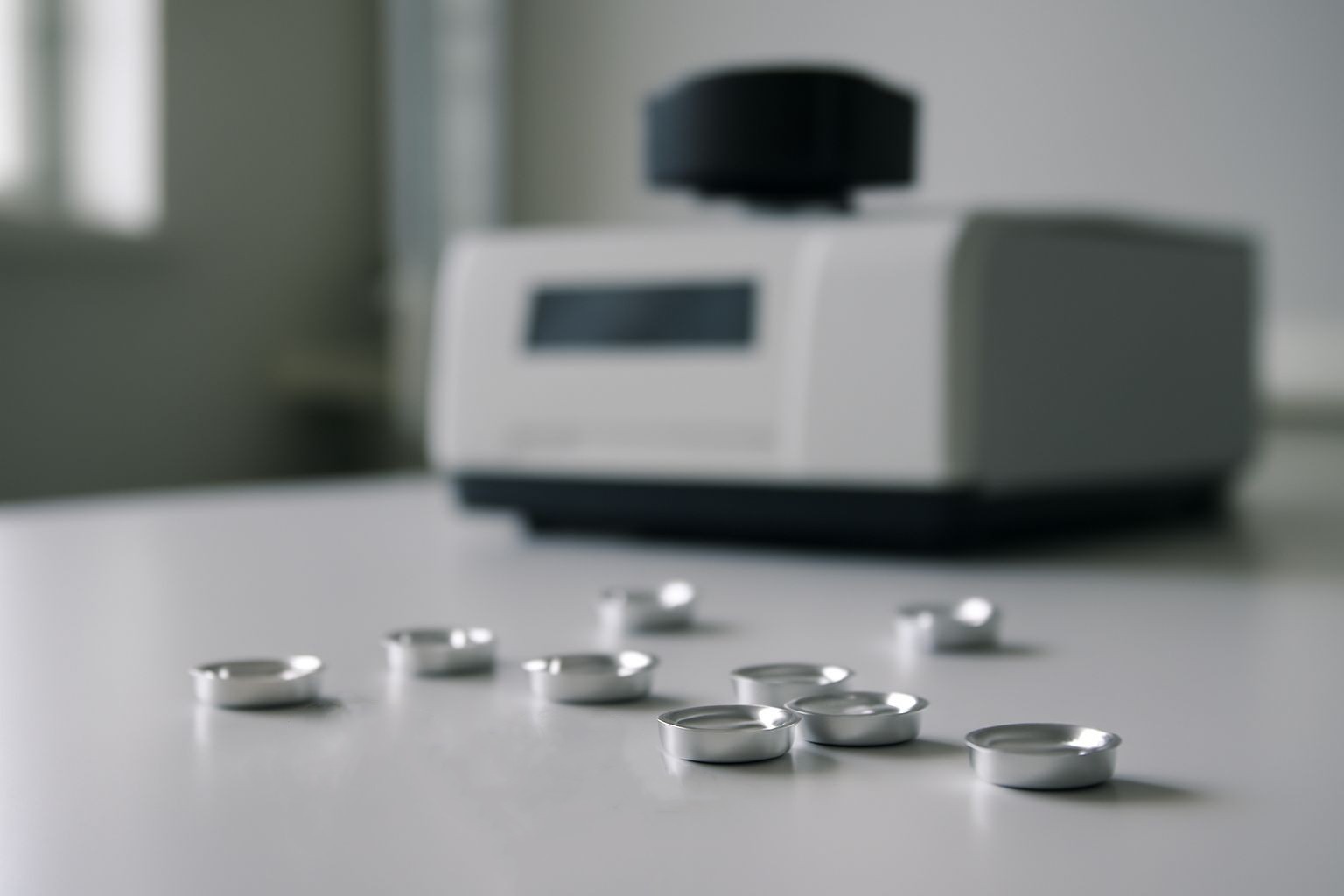
In my work, I have talked to many buyers and lab managers. I often see mistakes come from small details—like picking a pan with the wrong size or seal. I know that understanding both the instrument and the consumable leads to better experiments, fewer problems, and less waste.
Labs often waste time and budget by choosing pans that seem “good enough” but later fail key tests. Many choices come down to overlooked details in the buying process.
Important factors include material of construction, heat tolerance, sealing method, and pan size. Picking the best fit keeps experiments accurate and safe under lab conditions.
| Factor | Why It Matters | Example/Source |
|---|---|---|
| Material (Al, Pt, Au) | Different materials affect chemical interaction and temperature limits. | For most jobs, aluminum pans suit daily DSC, platinum for high-heat or sensitive samples. |
| Maximum Temperature | Pans must withstand the peak temperature of your test. | Aluminum pans handle up to ~600°C; platinum up to 1600°C (source). |
| Sealing Method | Hermetic seals prevent evaporation or leaks, especially with volatile samples. | Non-sealed pans for powders; hermetic for sensitive chemicals |
| Pan Volume | The pan must fit the sample size, providing full sensor coverage. | Volume range is typically 20–50 µL per standard DSC pan |
| Instrument Compatibility | Pans are designed for certain DSC models and sensors. | Check instrument manual for approved pans list |
I help my customers by checking their process and matching pans to their needs. Most trouble comes from ignoring temperature range or pan volume. Some teams benefit from custom pans if their work involves new polymers, adhesives, or battery research. Using data sheets and direct advice from suppliers saves money and time later on.
Incompatibility causes result errors, breakdowns, and downtime. Labs must prevent mismatching sample pans and DSC equipment from the start.
To ensure compatibility, check pan size and shape, confirm sensor fit, and read your instrument’s accessory guide. Always use pans designed for or certified by your DSC brand.
| Compatibility Check | What To Do | Reference/Advice |
|---|---|---|
| Pan Size & Shape | Match pan diameter and depth to instrument sensor holder. | Consult calorimeter specs and pan technical datasheet. |
| Seating and Contact | Pan must sit flat to guarantee heat transfer. | Improper seating can severely distort test results |
| DSC Model Approval | Use only pans listed in manufacturer’s accessory catalog. | PerkinElmer’s manual details approved configurations |
| Certification | Check for supplier-issued certificates for critical research. | Third-party labs may require certificates for audit |
I tell teams not to guess about compatibility. Before every purchase, my practice is to confirm the pan code against the equipment model. This habit saves days of testing and keeps data reliable, especially in projects where audit trails or traceable results are critical for compliance or publication.
Budgets often run tight, especially in startups or academic labs. High spending on original consumables can restrict research.
Cost-effective alternatives include third-party sample pans that offer full compatibility and meet strict performance standards. Some suppliers, like REDTHERMO, also provide small-batch orders and custom designs.
| Alternative Type | Main Advantage | Caution/Check |
|---|---|---|
| Third-Party “Compatible” Pans | Lower cost (up to 50% savings), same dimensions and compatibility. | Check for quality assurance and purity certification before buying. |
| Custom-Made Pans | Exact fit for special projects, lower MOQ for new research. | Provide drawings or samples for best results. |
| Bulk Purchase Discounts | Saves on recurring large orders, ensures stock during busy seasons. | Confirm with supplier before each batch—avoid shape changes |
I review several alternative brands every year. My first check is dimension specs, then chemical purity, and I always test one batch before committing. Many labs see better budgets and equal performance by working with trusted alternative suppliers, but I warn clients not to buy unknown sources without clear specifications or technical support.
Buying low-quality pans can lead to experiment failures, wasted materials, and bad data. Labs must set evaluation standards for suppliers and products.
Before purchase, review supplier certificates, test for dimensional precision, and examine surface finish. Trust only pans that show traceable production and clean packaging.
| Quality Check | How To Do It | Advice/Reference |
|---|---|---|
| Certification | Ask for ISO, purity, or QC certificates with batch info. | See ISO 9000 for certification meaning |
| Precision Measurement | Use calipers or micrometers to check pan diameter and wall. | Acceptable tolerances usually ±0.01 mm per manufacturer |
| Surface and Cleanliness | Inspect each batch for dents, discoloration, marks, and dust. | Reject visibly damaged items on arrival |
| Test Run (Optional) | Run a DSC test with water to check baseline stability. | See academic study on water heat capacity |
I have collected pans from many suppliers. With every new batch, I test for simple flaws before use. I look at cleanliness and measure a few pans by hand. For new labs or teams, a single test run with a reference such as water can reveal a lot about pan performance before much time or money is spent.
Picking the right DSC sample pan protects both your research and your budget. Careful evaluation and smart sourcing build trust in your lab’s results and in every test you run.
Contact Us: info@redthermo.com

C082.Wangdefu International Building, Furong, Changsha, Hunan, China


+86-19907415020