


SHOPPING CART
Your cart is empty.
shop now
Your cart is empty.
shop now
Choosing the wrong DSC analysis kit can cause errors in sample measurements and waste time. You need to know which pans and lids fit your needs before buying.
A DSC analysis kit includes pans and lids designed for differential scanning calorimetry. To get accurate thermal results, select a kit that matches your instruments, sample type, and expected temperature range. Quality and size matter.
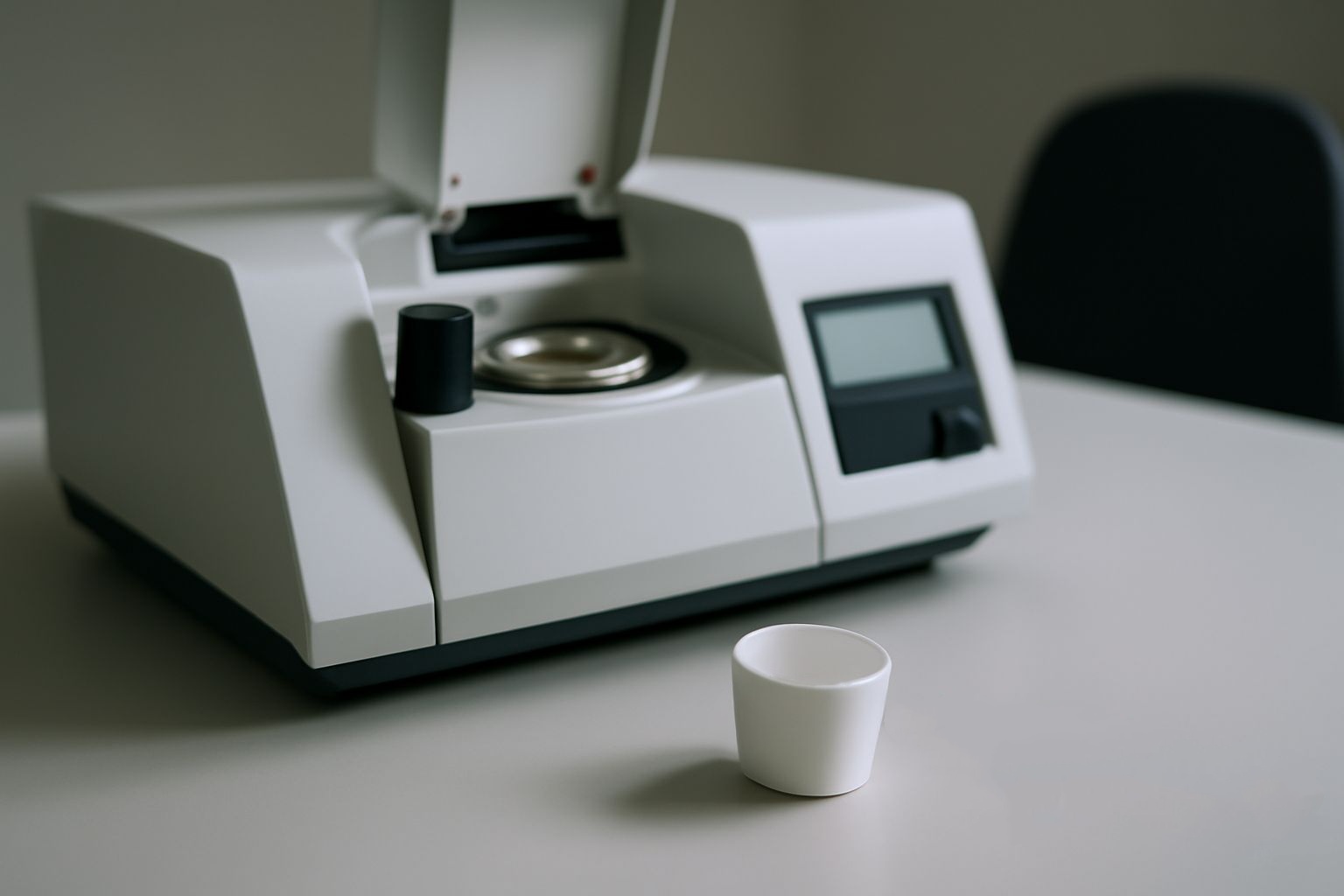
I learned early on that rushing the purchase process can lead to pans that don't fit or materials that cannot hold up to repeat heating. Checking the details of the DSC kit in advance helps avoid all this trouble. My lab always gets better results by taking time to match each pan and lid to our samples and equipment.
There are standard, high-pressure, and hermetic DSC pans and lids, each suited for different types of tests and materials. Choosing the right set is key for accurate results.
Standard pans work for most solid and liquid samples. High-pressure pans are used for tests at higher temperatures or with volatile materials. Hermetic lids ensure a tight seal, preventing sample loss or contamination, especially in moisture-sensitive work.
| Type | Typical Use | Reference |
|---|---|---|
| Standard Aluminum | Routine thermal testing of powders, granules, and liquids. | Differential scanning calorimetry |
| High Pressure | Analysis of volatile or reactive samples at elevated temperature and pressure. | Application notes from device brands |
| Hermetic | Testing of moisture-sensitive or oxidation-prone substances. | Hermetic seal |
| Vented Lids | Allow controlled release of gases during decomposition tests. | Instrument manuals |
Most DSC kits are designed for popular laboratory brand instruments, including TA Instruments, Netzsch, PerkinElmer, and METTLER. Compatibility lists are essential for preventing fit issues or experiment errors.
Before you order, make sure the pans and lids match your equipment’s size and holder design. Using incompatibles can damage either your samples or the DSC device. Always check the manufacturer's guide or ask for a compatibility chart before purchase.
| Brand | Common Pan Model | Compatibility Note |
|---|---|---|
| TA Instruments | Aluminum, Gold, Platinum DSC Pans | Original or high-quality replacement only |
| NETZSCH | Standard and High-Pressure DSC Pans | Double check diameter and sealing method |
| METTLER | Aluminum Guest or ME-27331 Pans | Look for model-specific references |
| PerkinElmer | Standard, Sample, and Reference Pans | Match product code and lot number |
Core specifications for any DSC kit include pan material, volume, temperature range, and sealing design. These affect thermal transfer, sample protection, and overall result quality.
For best results, pans must be made from pure materials like 99.99% aluminum or platinum. Check the maximum safe temperature and volume for your samples. A good lid system ensures you can run repeatable tests under both normal and sealed conditions, avoiding leaks and contamination.
| Parameter | Typical Value | Extra Info/Link |
|---|---|---|
| Material Purity | 99.99% Aluminum, Platinum, or Gold | Aluminum uses |
| Volume (µL) | 10–60 µL standard range | Instrument manufacturer's data |
| Temperature Range | -150°C to 750°C (aluminum pans) | Temperature range |
| Sealing System | Crimped, hermetic, snap-on, or vented | Brand fitting instructions |
Many buyers overlook factors like incorrect pan size, the wrong lid type, or low-quality materials. Careful checks and a few simple rules help you avoid waste and failed tests.
I always cross-check the pan number, lid type, instrument model, and quality certifications before recommending a kit. Never guess on compatibility or buy only on price. Asking sellers for full documentation or reference tables can reveal gaps before they cause problems in your lab.
| Mistake | How to Avoid or Fix | Trusted Resource |
|---|---|---|
| Wrong Pan Size | Measure your holder and check official diameter specs before buying. | Caliper |
| Low Metal Purity | Ask for chemical composition and manufacturer test records. | Certifications (ISO, ASTM) |
| Improper Lid Fit | Test blank runs or ask for demo samples if possible before ordering bulk kits. | Supplier application support |
| Using for Wrong Sample Type | Match the pan and lid to your exact material (liquid, polymer, volatile, moisture-sensitive). | Lab community Q&A |

C082.Wangdefu International Building, Furong, Changsha, Hunan, China


+86-19907415020