



SHOPPING CART
Your cart is empty.
shop now
Your cart is empty.
shop now
Many researchers face confusion and waste money by picking the wrong DSC pans, leading to experiment delays and flawed data. A smart choice can mean the difference between success and frustration.
To choose the right DSC pan, check its compatibility with your equipment, review the material and size, and confirm the specifications meet your scientific goals. Precise pan selection improves accuracy and lab results.
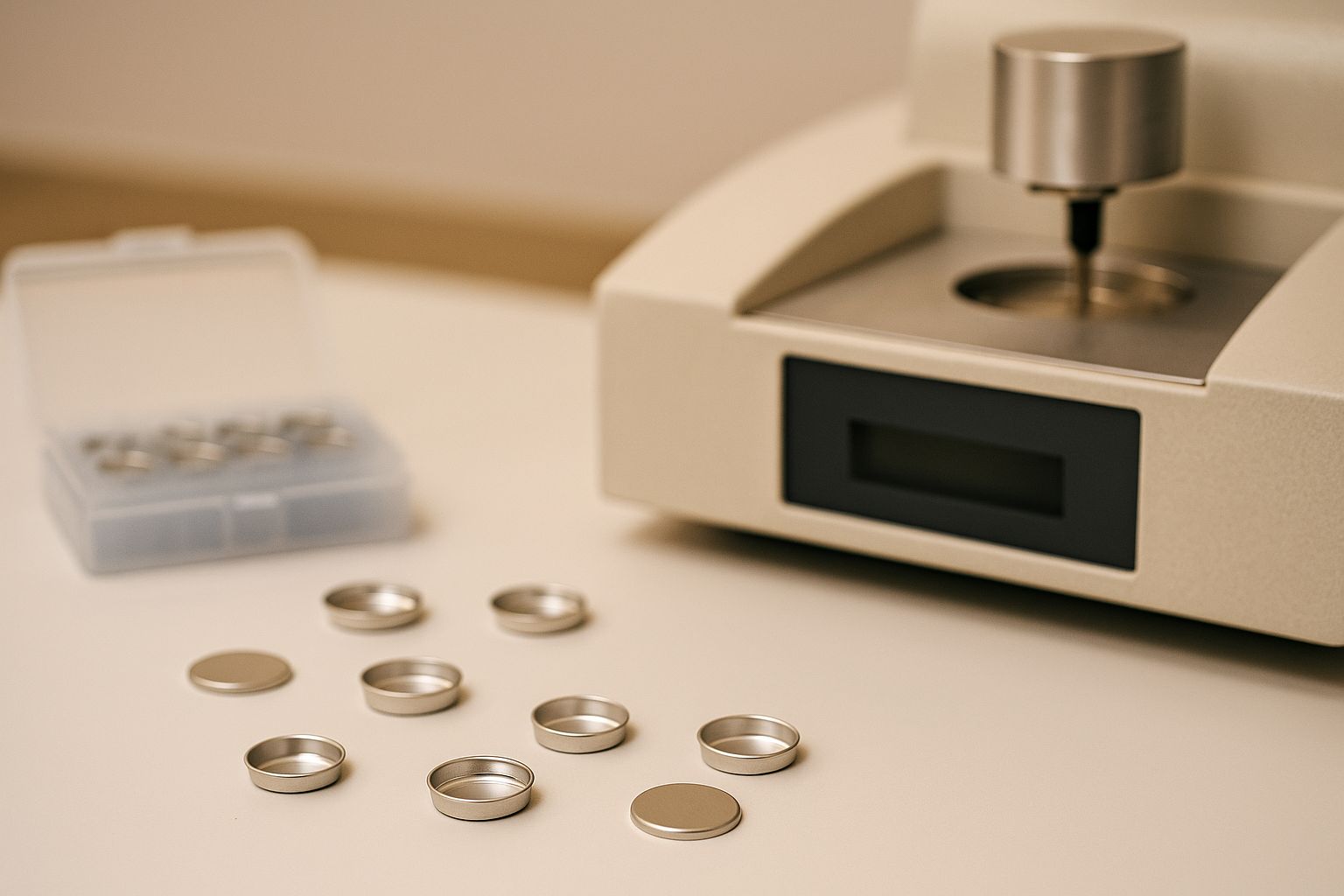
I learned the hard way that checking every detail before buying DSC pans saves time and delivers correct results. Getting the purchase right is essential in every science project, no matter the scale.
Failing to check a few key points when buying DSC pans causes failed experiments and budget waste. Many new researchers make these avoidable mistakes, resulting in unnecessary stress.
When buying DSC pans, make sure you review the pan material, size, sealing method, temperature range, and brand compatibility. Each point affects how well the pan will work in your experiments.
| Consideration | Why It Matters | Reference |
|---|---|---|
| Material Type | Aluminum, platinum, or ceramic pans behave differently. Pure aluminum pans give low background and fast heat transfer. | Crucible material |
| Pan Size | Volume must match your sample size, or data can be inaccurate. Choose the right micro or standard pan size for your needs. | Pan size guide |
| Sealing Method | Choose from open, hermetic, or high-pressure sealing. The sealing determines sample containment for volatile or sensitive substances. | Hermetic seal |
| Temperature Range | Each pan withstands a maximum temperature. Using a pan outside its limit damages samples and skews results. | DSC pan datasheet |
| Brand Compatibility | Different DSC instruments need pans that fit exactly—errors here stop tests or damage machines. | Instrument manual |
My advice: always create a checklist of these factors for your next purchase. The manufacturer documentation offers more details on each parameter for correct pan selection.
I have seen labs lose valuable time and money due to pan and equipment mismatches. The wrong pan can halt a project and risk damaging the DSC instrument.
To ensure DSC pan compatibility, check the pan’s dimensions, base diameter, and lid fit against your instrument's model. Use brand-matched or officially listed replacement pans for best results.
| Compatibility Check | Action Needed | Why It’s Important |
|---|---|---|
| Model Number | Cross-reference your device’s model with supplier part lists before ordering. | Ensures pan fits and works without issues. |
| Physical Dimensions | Measure pan diameter and height—match them to the DSC holder and lid mechanism. | Prevents jams and poor temperature contact. |
| Lid and Sealing Type | Choose lids that correspond to the pan and match any automated sealing tools. | Guarantees sample isolation and reliable test curves. |
| Supplier Approval | Use suppliers that list exact brand and model compatibility or offer test samples. | Reduces chance of returns and failed runs. |
See my example: I often match the pan’s product code with the DSC equipment’s official compatibility list, as shown in DSC guides and supplier catalogs. This step has saved me many headaches and money.
Many labs balance quality with budget limits. Picking cheaper products may risk accuracy, but the right alternatives can keep costs low and data dependable.
Cost-effective DSC pan alternatives exist in third-party brands and compatible replacement lines that match original specifications and performance. Bulk buys and custom packs lower pricing for specific research needs.
| Alternative Type | Pros | Cons |
|---|---|---|
| Third-party Manufacturers | Lower cost per pan, wide size range, often made for main instrument brands. | Risk of variable quality—check user reviews and technical data before buying. |
| Bulk Purchase Offers | Discount per unit for labs running high-throughput testing volumes. | Upfront spend is higher, not ideal for small projects. |
| Custom Machined Pans | Made to match rare equipment or special research; ideal for one-off or prototype studies. | Longer delivery times, sometimes pricier than standard replacements. |
For my team, using approved replacement pans saved 30% per year on costs with no drop in performance. Check bulk and third-party options, but always confirm certifications and real quality control data to avoid hidden risks.
Lack of trustworthy suppliers can stop research progress. I once waited weeks for the correct pans, delaying all my tests, due to picking the wrong vendor.
You can buy reliable DSC pans from manufacturer direct shops, specialized scientific supply companies, and trusted online B2B platforms. Always check supplier reviews and inventory before purchase.
| Supplier Channel | Benefits | Things to Confirm |
|---|---|---|
| Manufacturer Direct | Guaranteed fit, technical support, batch consistency. | Delivery times, warranty, user guides. |
| Scientific Supply Companies | Wide selection, expert advice, often local offices for fast shipping. | Authorized status, return policy. |
| Online B2B Marketplaces | Quick price comparisons, access to bulk or niche products, open ratings. | Real buyer feedback, clear product specs, history of order fulfillment. |
Now, I buy DSC pans from sources that show real product certificates, quick shipping, and technical help. Global marketplaces and brands like REDTHERMO have helped my lab keep running on schedule.


C082.Wangdefu International Building, Furong, Changsha, Hunan, China


+86-19907415020