



SHOPPING CART
Your cart is empty.
shop now
Your cart is empty.
shop now
Poor sample containers waste time and ruin results. Precise Differential Thermal Analysis needs the best container matched to your sample and instrument right from the start.
The right sample container for DTA fits your temperature range, material compatibility, and sealing needs. Choosing wisely ensures no contamination, accurate results, and smooth routine or custom tests.
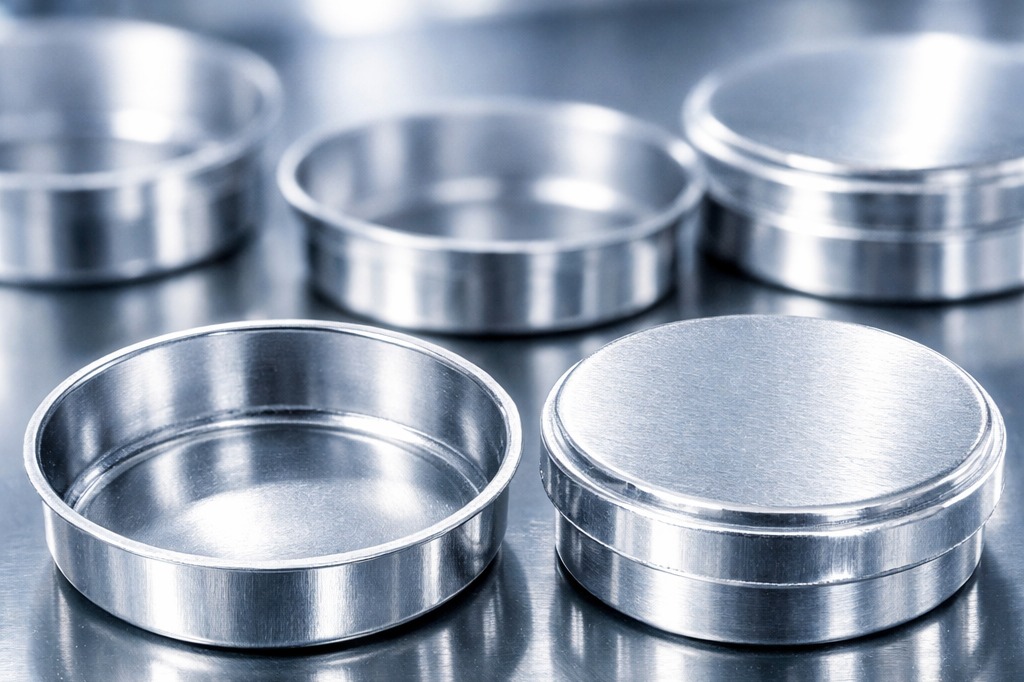
I have seen laboratories save both time and budget by focusing on the right container and supplier. Clear specifications and fast shipping help researchers deliver reliable data with fewer interruptions.
Choosing a DTA sample container depends on your sample’s chemistry, the instrument’s capacity, and how neat the seal stays during the test cycle.
Look for containers made from chem-inert, high-melting materials like aluminum, platinum, or ceramic. Check if the volume and geometry match your sample and instrument. Pick tightly sealing containers for volatile or easily oxidized samples (Differential Thermal Analysis).
| Selection Factor | Why It Matters | Result in DTA | Typical Materials |
|---|---|---|---|
| Material compatibility | Avoids contamination | Accurate phase transitions | Aluminum, platinum |
| Temp. range | Matches heating profile | No melting, no deformation | Platinum, ceramic |
| Seal capability | Keeps in volatiles | Right peak shapes | Hermetic, vented pans |
| Instrument geometry | Reliable sample position | Repeatable readings | OEM-specific shapes |
Each unusual sample size or setup may need a special solution. Custom containers ensure even rare or odd-shaped samples get reliable Differential Thermal Analysis results.
Suppliers like REDTHERMO can make custom containers for different sizes, shapes, or non-standard seals. You can send a drawing or a sample for reference. This service avoids poor fits, unexpected leaks, and difficult sample loading (Customization).
| Custom Feature | Best Use | Lab Benefit | Ordering Info |
|---|---|---|---|
| Special geometry | Irregular samples | Stable heating, less loss | Supply drawing/sample |
| Enhanced seals | Volatile protection | Cleaner data, easier workflow | Request test scenario |
| Custom alloy | Unique chemistry | Right chemical match | Specify element/material |
| Batch coding | GMP or QA tracking | Traceable, audit pass | Provide batch/lot data |
Material cost impacts both price and lab performance. Premium materials last longer and protect experiments but can cost more at order time.
Aluminum is best for price and routine work. Platinum is more expensive but brings durability, zero contamination, and suitability for high-heat work. Ceramics are medium priced and work well for aggressive chemistries. Selecting the right material matches value to lab priorities (Platinum).
| Material | Price per Unit (USD) | Test Use | Strengths | Weaknesses |
|---|---|---|---|---|
| Aluminum | 1–3 | Routine, organic | Affordable, easy size range | Limited temp, lasts less |
| Ceramic | 3–12 | Corrosive, high-temp | Strong in heat, no reaction | Brittle, limited shapes |
| Platinum | 25–70 | Sensitive, long-cycle | Stable, best for accuracy | High price, may need special care |
Fast shipping prevents test delays and lost productivity. Lab buyers need vendors who hold stock and can handle quick order processing worldwide.
Look for suppliers specializing in DTA consumables, like REDTHERMO, with proven histories of rapid DHL/UPS shipment (1–5 days for stocked parts). Always check for clear stock status, confirmed model fit, and quick quote or payment options for seamless procurement (supply chain).
| Vendor Feature | Main Advantage | Lab Impact | Use Case |
|---|---|---|---|
| Ready stock | No waiting | Starts testing right away | Routine QA, urgent runs |
| Express shipping | Delivery in 1–5 days | No missed deadlines | New project or batch |
| Easy payments | Quicker purchases | No invoice or approval hold-up | Small labs, international buyers |
| Custom order support | Fits special need | No retrofitting, fewer errors | Unusual sample, rare brand |

C082.Wangdefu International Building, Furong, Changsha, Hunan, China


+86-19907415020