



SHOPPING CART
Your cart is empty.
shop now
Your cart is empty.
shop now
Contaminated or poorly maintained universal crucibles cause failed tests and unreliable results. Many labs overlook basic steps that safeguard their workflow and sample integrity.
Consistent, accurate lab results depend on routine cleaning, proper use, and frequent inspection of universal crucibles to prevent contamination and maximize service life.
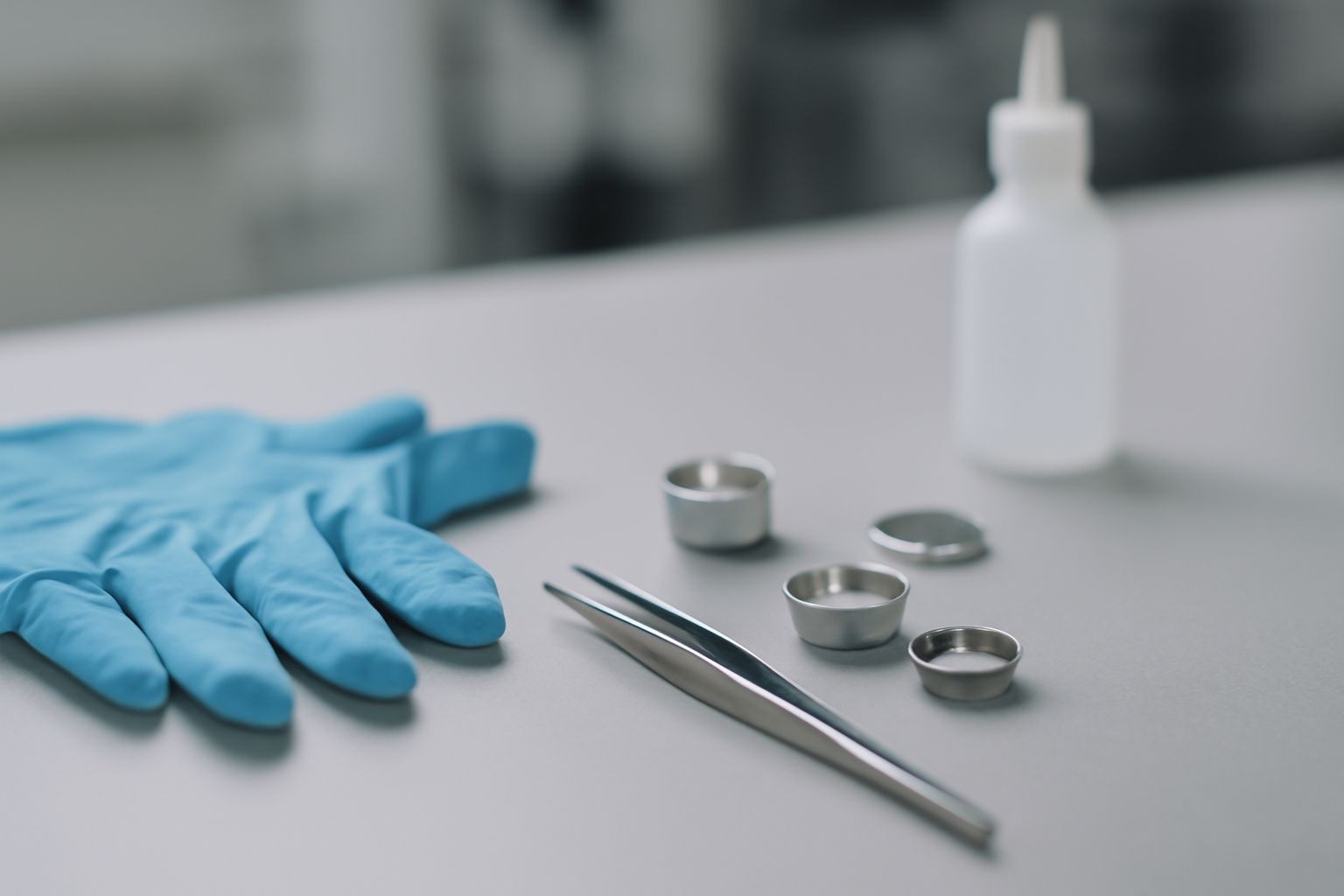
I often solve lab setbacks by fixing issues with basic crucible care and handling. Better habits cut down on errors and costly downtime.
Even the smallest contaminant can distort a measurement or ruin a thermal analysis run. Careless handling is usually to blame.
Always clean crucibles before and after use, wear gloves during handling, use clean tools, and store pans in sealed containers away from dust.
| Step | Action | Effect | Reference Link |
|---|---|---|---|
| Initial Cleaning | Use solvent rinse and dry | Removes residues, prepares for use | Cleaning Agent |
| Glove Handling | Wear latex or nitrile gloves | Prevents oil or skin contamination | Gloves |
| Tool Cleaning | Wipe tweezers and spatulas with alcohol | Removes cross-sample residues | Tweezers |
| Sealed Storage | Keep crucibles in closed boxes | Minimizes airborne dust and particles | Storage |
I use fresh gloves, clean tools, and sealed containers for all valuable tests. This protects every result and reduces contamination risk.
A crucible may fail in certain thermal analysis runs due to fit, material, or test condition mismatches. Not every pan is built for every job.
Reasons include improper pan size, wrong material for the sample or temperature, poor sealing, or surface defects.
| Issue | Root Cause | How to Avoid | Info Source |
|---|---|---|---|
| Poor fit in analyzer | Diameter or height mismatch | Measure pan before use | Calipers |
| Low thermal tolerance | Aluminum pan at too high temp | Check pan melting point | Melting Point |
| Sample reaction | Poor material compatibility | Review sample chemical traits | Chemical Compatibility |
| Cracked or warped surface | Repeated overuse, thermal cycling | Inspect pans after each run | Visual Inspection |
I learned to check size, material, and look for cracks before every analysis. Early inspection prevents test failures and wasted samples.
Ignoring basic maintenance leads to contamination, short lifespan, and higher costs. A clean pan performs better every time.
Universal crucibles need prompt cleaning, visual checks for cracks, and safe storage. Do not let debris or old sample residue build up.
| Task | Frequency | Reason | More Info |
|---|---|---|---|
| Clean with alcohol or solvent | After every use | Prevents cross-contamination | Alcohol |
| Inspect surface under light | Weekly or before use | Detect small cracks or dents | Inspection |
| Store in dry cabinet | Always | Avoid moisture and corrosion | Storage |
| Replace damaged pans | As needed | Maintains result reliability | Quality Control |
If I find a pan scratched or dented, I discard it without hesitation. A strict maintenance process saves data and time with every batch.
Poor lifespans and declining performance are not inevitable. Good habits sustain universal crucible performance across many cycles.
Use proper cleaning agents, avoid exposing crucibles to high temperatures continuously, rotate pan use, and keep a maintenance log for every batch.
| Tip | How To Apply | Result | Reference |
|---|---|---|---|
| Avoid harsh abrasives | Rinse gently, no wire brushes | Prevents micro-cracks | Abrasion |
| Rotate usage | Don’t overuse the same pan | Even wear, longer average life | Wear |
| Log maintenance | Track pans in lab notebook | Quick removal of bad units | Logbook |
| Avoid overheating | Respect temperature ratings | Stops premature failure | Heat Resistance |
By keeping a log and using gentle methods, I have doubled the lifespan of universal crucibles in my lab. Consistent performance is worth the added care.


C082.Wangdefu International Building, Furong, Changsha, Hunan, China


+86-19907415020