



SHOPPING CART
Your cart is empty.
shop now
Your cart is empty.
shop now
Lab teams can lose days of work due to faulty DSC results or pan failures. Most costly errors come from small issues in the testing routine or hardware handling.
Common DSC pan problems like inaccurate readings, contamination, deformation, and sealing issues can be solved with routine cleaning, following temperature limits, and checking pan compatibility. These steps keep your calorimetry results stable and trustable.
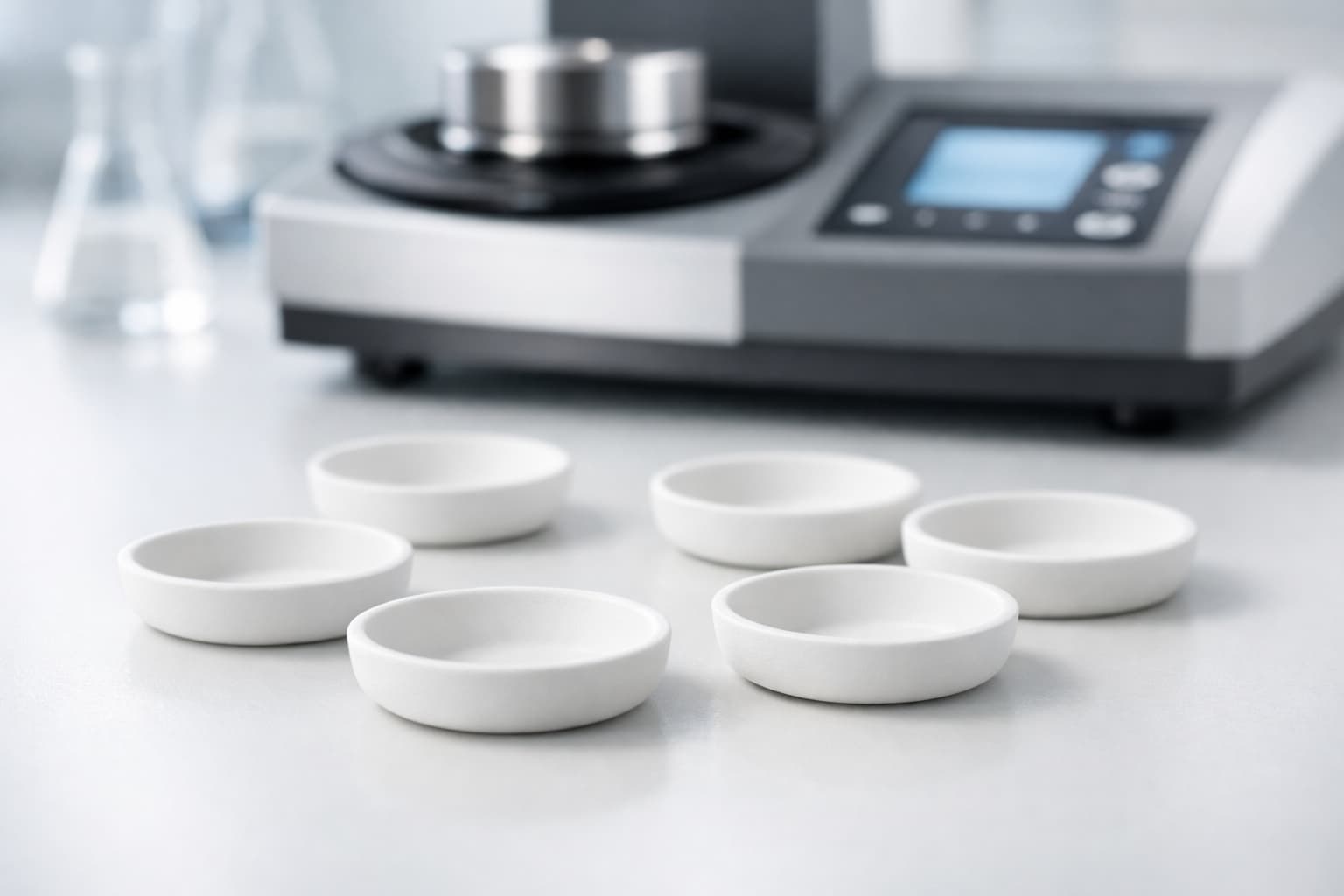
Each DSC run in my lab relies on tight workflow control. Even a small oversight—a pan used one time too many or a missed seal check—can cause big headaches. Here I share direct solutions to the most frequent pain points I see and fix in thermal analysis work.
Inconsistent or noisy data in DSC runs can make months of research useless. Pan performance is often the root of most test reliability concerns.
DSC pans produce inaccurate results due to contamination, defective sealing, or sample mismatch. Cleaning between uses, using compatible pans, and routine inspection avoid most accuracy issues.
| Cause | Effect | Solution |
|---|---|---|
| Residue build-up | Baseline drift or spurious peaks | Use solvent or ultrasonic cleaning |
| Seal failure | Sample loss or mass change | Inspect seal, use right tools |
| Improper pan material | False temperature or heat flow | Check recommendations for each test |
Lab guides such as calorimetry best practices remind me that accuracy needs both good habits and the right hardware for every measurement set.
Cross-contamination from past tests can quickly ruin new measurements. Clean pans and careful sample prep give labs the best shot at consistent results.
Avoid contamination by cleaning DSC pans right after use, using dedicated tools, and storing pans in dust-free containers. Never handle pans directly—always use tweezers and lab gloves for sample loading or transfer.
| Contamination Risk | Prevention Step | Outcome |
|---|---|---|
| Poor cleaning | Use solvent, sonic bath | No residue or chemical mix-up |
| Shared tools | Dedicated spatula and tweezers | Single-use, avoid carryover |
| Open storage | Airtight containers or desiccators | Prevents dust, humidity risk |
Good lab management and published chemical hygiene rules help me keep pans clean and my DSC results reproducible, even over many project runs.
Physical distortion or softening of pans during testing can mean data loss or equipment risk. Recognizing warning signs is key for safe lab operation.
Pans can deform from exceeding thermal limits or rough handling. Always stay within recommended temperature bounds and use proper sealing force to avoid warping or leaks.
| Cause of Deformation | Sign | Preventive Measure |
|---|---|---|
| Overheating | Warped, collapsed pan shape | Follow manufacturer temperature max |
| Mechanical force | Bent rims, loose fit | Use calibrated crimpers, light pressure |
| Material mismatch | Unusual changes under test | Choose pans for application and method |
In my lab, checking pan condition before and after each use helps prevent any deformation risks and keeps the DSC instrument in top working status for years.
DSC pans without a proper seal often cause sample loss or give inconsistent thermogram baselines. Fixing these issues helps every lab build trust in their results.
Ensuring reliable seals means following the right pan closing technique, using undamaged lids, and checking seal quality visually before every run. Avoid over-crimping or reusing old lids.
| Seal Issue | Root Cause | Solution |
|---|---|---|
| Poor closure | Worn or damaged lid | Replace lids every test |
| Seal not airtight | Weak pressure, tool mismatch | Use correct crimper or press |
| Gas leakage | Improper fit or bent rims | Check rim before sealing |
According to lab equipment manuals, a quick rim check and careful crimping routine keep sealing issues from reducing data quality or wasting time on retests.
Preventing DSC pan issues comes down to clean habits, careful handling, and strict attention to detail, supporting reliable results and protecting valuable lab time and resources.


C082.Wangdefu International Building, Furong, Changsha, Hunan, China


+86-19907415020