



SHOPPING CART
Your cart is empty.
shop now
Your cart is empty.
shop now
Misinterpreted phase transitions and unclear peaks can often be traced to poor DSC pan selection. Relying on a generic pan risks data drift and unreliable results.
For the most accurate thermal analysis, select a DSC pan suited to your sample and experiment goals. Proper material, size, and sealing improve measurement reliability and ensure repeatable results.
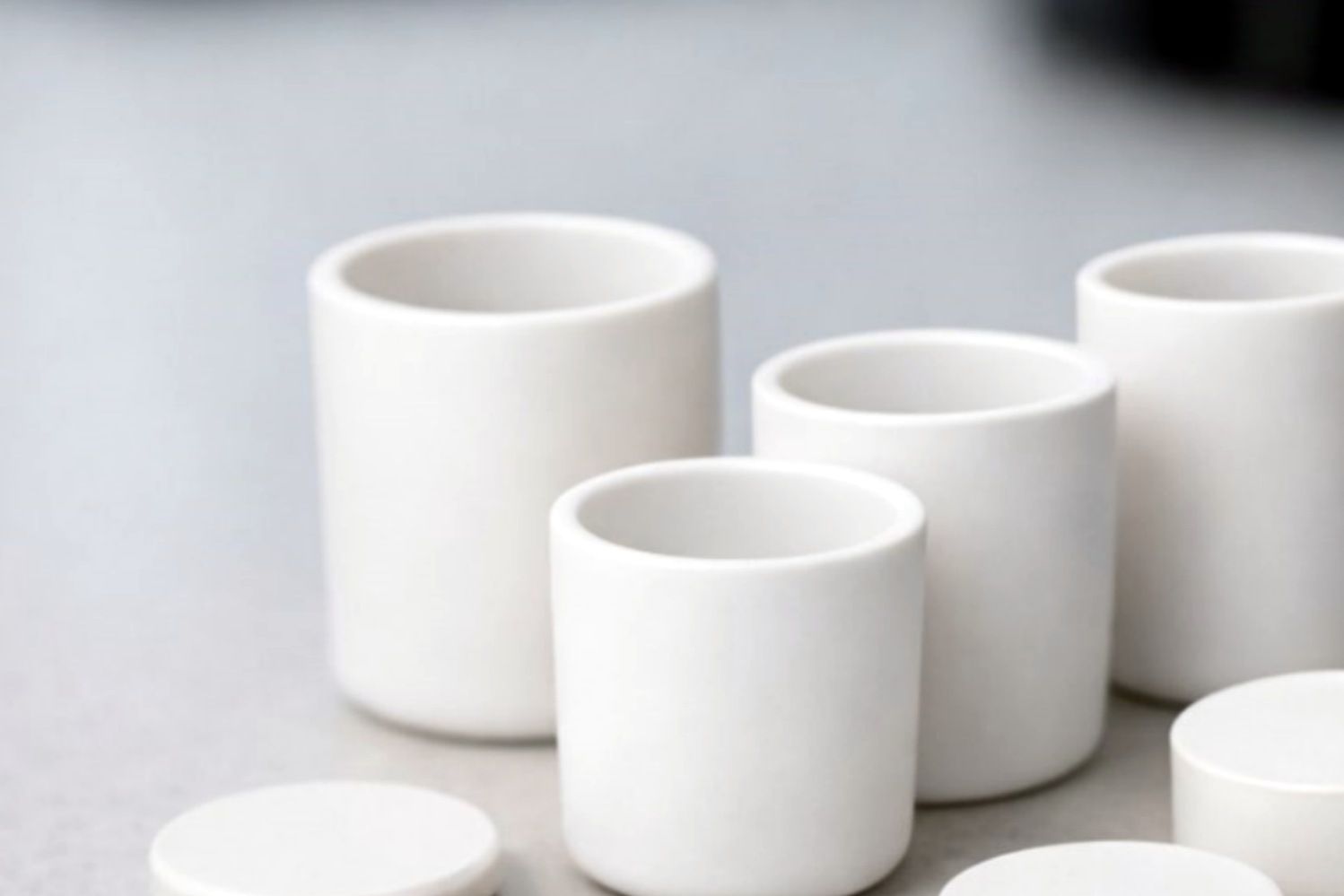
I found that matching the DSC pan to the sample made my results clearer and more repeatable. The right choice also reduced errors and sample loss. Let’s break down the factors that matter for pan selection in DSC work.
Choosing from a wide variety of DSC pans can be confusing for new lab users. Picking the wrong type leads to poor sample containment or unstable measurements.
DSC pans come in standard, high-pressure, hermetic, vented, and specialty forms. Each serves specific sample types, thermal needs, and equipment compatibility based on their unique features.
| Pan Type | Feature | Typical Application |
|---|---|---|
| Standard Aluminum | Good for most solid samples | Routine QC, polymer thermal analysis |
| Hermetic Sealed | Airtight, crimped lid | Volatile, reactive, or moisture-sensitive samples |
| Vented/Pin-Hole | Controlled escape for evolved gases | Testing decomposition or evaporation |
| High-Pressure | Tolerate stress from sample expansion | Energetic reactions, explosive materials |
| Platinum/Gold | Chemically inert, withstands high heat | Pharma, corrosion, or high-purity studies |
I switched to hermetic pans for moisture assays, which reduced water loss and improved the consistency of my DSC runs.
Poor heat transfer from the pan can hide transitions or produce sloped baselines. The pan material changes the way your sample heats up and how accurate your results will be.
Metal pans like aluminum and platinum have high thermal conductivity, enabling fast equilibration. The material you select should match the sample’s required heating rate and minimize interactions.
| Material | Conductivity (W/m·K) | Effect on Results |
|---|---|---|
| Aluminum | 205 | Quick, even heating—good for most tests |
| Platinum | 71 | Chemically inert, better for reactive/organic samples |
| Gold | 318 | Best rate but costly, ultra-high purity work |
| Nickel | 90 | Often for nonaqueous organics, specialized uses |
My experience showed that switching from standard aluminum to platinum improved results when working with corrosive organics that damaged lesser pans.
Using a pan that is too large or too small can throw off heat flow and cause non-uniform sample heating. Size mismatches lead to inaccurate transitions or messy melting curves.
The optimal pan size matches the sample volume for good contact and even heating. Consistency lowers error and boosts the repeatability of thermal measurements.
| Pan Size | Recommended Sample Mass | Main Use |
|---|---|---|
| Standard (e.g., 40 μL) | 2–12 mg | Routine daily sample work |
| Micro | 0.5–5 mg | Trace composition, low-mass samples |
| Large | 15–30 mg | High energy content samples, composite studies |
| Custom | Project-dependent | Special materials or oversized particles |
I improved reproducibility by matching sample weights to pan sizes, following manufacturer tables for each batch of measurements.
Volatile samples or those likely to react with air can lose mass or react dangerously if not sealed. Non-hermetic pans can expose stable samples to the measurement atmosphere.
Use hermetic pans for water, volatile solvents, and oxidation studies. Non-hermetic or vented pans fit dry solids, high-melt polymers, or samples not at risk of decomposing.
| Sample Type | Hermetic? | Reason |
|---|---|---|
| Volatile solvents | Yes | Prevents evaporation and mass loss |
| Reactive chemicals | Yes | Keeps out air, maintains safe conditions |
| Stable polymers | No | Open pans allow sample to relax, prevent buildup |
| Oxidation assessments | Custom (vented or hermetic) | Depends on lab goal and method used |
For one important pharma study, I moved to crimp-seal hermetic pans and saw sharp improvements in data quality for volatile active ingredients.
Selecting the right DSC pan type, material, and size ensures accurate, reliable thermal analysis data. Matching pans to both sample and experiment is essential for modern laboratory success.
Contact Technical Support

C082.Wangdefu International Building, Furong, Changsha, Hunan, China


+86-19907415020