



SHOPPING CART
Your cart is empty.
shop now
Your cart is empty.
shop now
Frequent errors in thermal measurement often come from small issues with crucibles. These problems can damage samples, cause costly delays, or make results unreliable.
Most thermal measurement issues with crucibles are caused by material degradation, misfit with equipment, or poor maintenance. High-quality materials and regular checks prevent errors, while proper compatibility ensures accurate readings and reliable results.
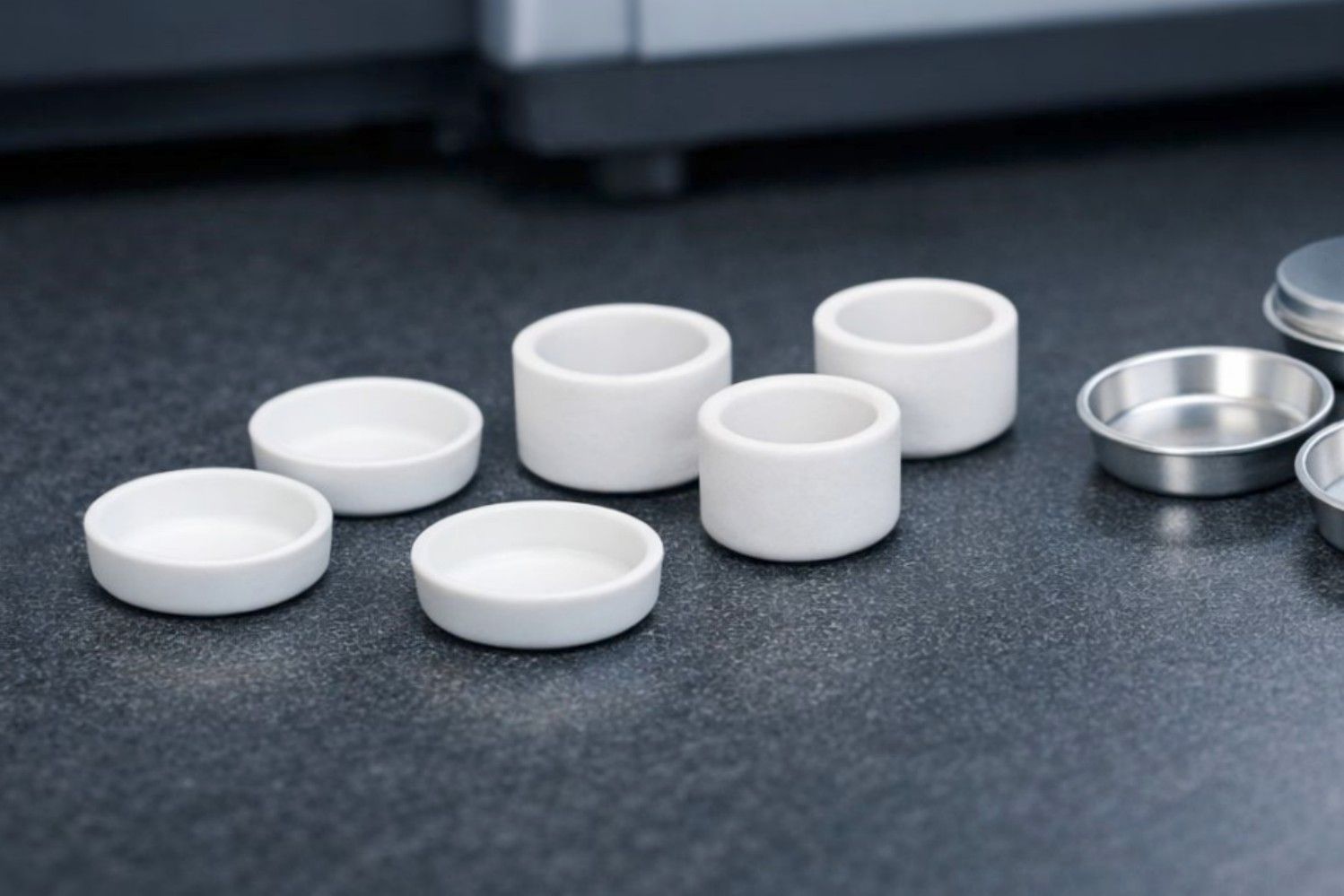
I faced many of these challenges before I learned the value of higher-grade crucibles and clear maintenance routines. Careful procedures and best practices have improved test results and confidence in each experiment. Here’s how to resolve common problems in crucible-based measurements.
Many labs waste time troubleshooting unexpected errors. Most can be traced to poor crucible quality, contamination, or mismatches with the analysis method.
Errors often come from surface contamination, size deviation, micro-cracks, or mismatched material choice. Even small flaws can disrupt heat flow or react with samples, causing wrong results.
| Issue | Direct Cause | Resulting Problem |
|---|---|---|
| Surface Residue | Insufficient cleaning or leftover chemicals | Interferes with readings, increases contamination (contamination) |
| Deformed Shape | Poor manufacturing or repeated high-heat cycles | Causes bad instrument fit and heating errors |
| Micro-Fractures | Thermal shock or material fatigue | Leads to sample leaks or sudden breakage |
| Material Mismatch | Incorrect choice for temperature or chemistry | Triggers sample reactions, ruins tests |
One project almost failed when surface residue gave false data. Only a full cleaning with a new, polished crucible fixed the error.
Crucibles often degrade after repeated high-temperature cycles or exposure to harsh chemicals. This shortens life and leads to errors or risk of breakage.
Address material degradation by using crucibles made from high purity or durable materials, and by keeping a strict schedule for replacement and inspection.
| Material | Durability Feature | Response to High Temp Use |
|---|---|---|
| Alumina | Excellent thermal shock resistance | Stays stable over many heat/cool cycles |
| Platinum | Unmatched purity and corrosion resistance | Outlasts most others, even with rough chemicals |
| Graphite | High thermal conductivity, withstands shocks | Can fade slowly but needs replacement if oxidized |
| Ceramic Composite | Mixes properties for balanced durability | Works well in standard lab cycles |
I plan regular checks and keep detailed usage logs; this way, we find degradation early and can order replacements before major faults appear.
Skipping routine care guarantees early failure. Proper maintenance is a must for anyone relying on accurate measurements and safe sample handling.
Best practices include regular inspections, careful cleaning, and storage in a clean, dry place. Use soft tools for cleaning and avoid harsh scrubbing that creates scratches or wears down the surface.
| Practice | How To Do It | Effect on Integrity |
|---|---|---|
| Visual Inspection | Check for cracks, residue, or shape change | Finds early warning signs of failure |
| Passivation (metal only) | Apply gentle oxidizers as needed | Restores protection for metal crucibles |
| Gentle Cleaning | Use mild detergent and soft brushes | Avoids surface damage and new scratches |
| Dry Storage | Store in sealed and non-reactive box | Prevents corrosion and airborne contamination |
After switching to careful cleaning and storage, our team extended lifespans and improved reproducibility in every set of thermal measurements.
Many errors come from using crucibles not matched to lab equipment. Even a small deviation in size or material can throw off all readings.
To solve compatibility issues, always check equipment manuals, use supplier-provided compatibility lists, and test new batches before running important experiments.
| Issue | Best Solution | Why It Works |
|---|---|---|
| Size Mismatch | Request detailed drawings or check brand specifications | Ensures perfect fit and measurement stability |
| Material-Method Misfit | Cross-check method requirements with supplier options | Avoids reaction or melting in lab |
| Sensor Interference | Measure height and verify sensor reach | Ensures correct contact and reading timing (sensor) |
| Thermal Load Limit | Never exceed recommended heat ramp rates | Keeps both crucible and equipment in safe working range |
Getting engineers involved early stopped me from ordering the wrong style or material for new instrument models, saving time and money.
Address common crucible issues by selecting quality materials, regular maintenance, and constant compatibility checks. These actions keep thermal measurements reliable and lab work running smoothly.
Contact Technical Support

C082.Wangdefu International Building, Furong, Changsha, Hunan, China


+86-19907415020