



SHOPPING CART
Your cart is empty.
shop now
Your cart is empty.
shop now
Failed DSC runs can disrupt lab schedules, waste resources, and delay project deadlines. Unwanted issues with pans or equipment are often overlooked in routine analysis work.
The most common DSC pan and equipment issues include irregular heat flow, faulty sealing, and sample contamination. Addressing these problems quickly helps keep analysis on track and results reliable.
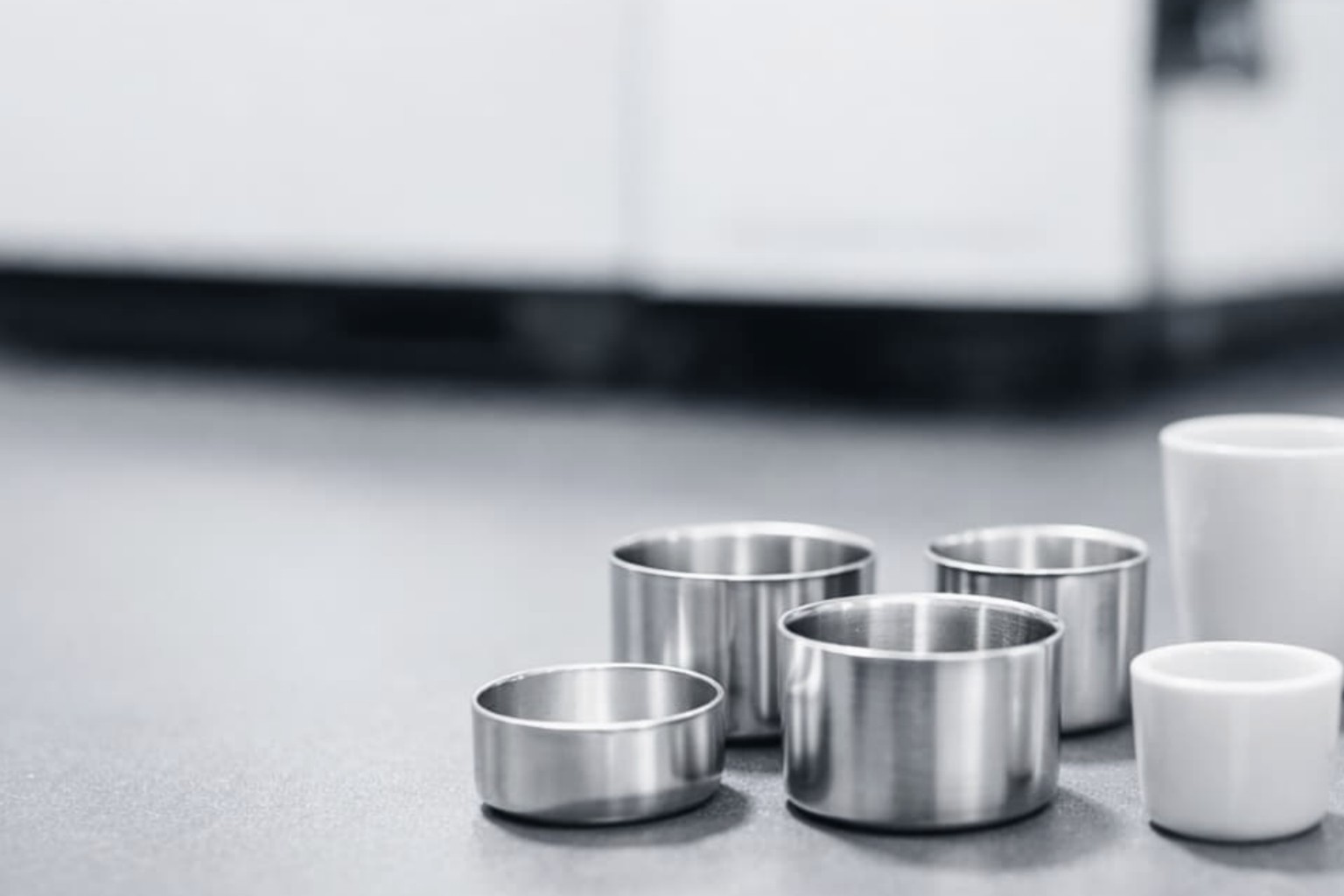
Consistent DSC performance relies on fast and effective troubleshooting. I have worked through many challenging cases where ignoring small problems led to bigger breakdowns. When you learn the right steps to fix irregular signals, seal failures, or contamination, your workflow becomes much smoother. Let’s break down the practical checks every lab should apply and see how to make equipment and pan issues less of a concern.
Baseline drift, unexpected peaks, or jagged DSC signals make your results useless. These problems usually waste more time than almost any other DSC issue.
Irregular heat flow in DSC often results from poor pan contact, uneven sample placement, or damaged sensors. Troubleshooting must start with pan fit, instrument calibration, and sample preparation.
| Problem Source | Effect on Heat Flow | Corrective Action |
|---|---|---|
| Pan Shape/Size Error | Weak sample-instrument contact, baseline noise | Use pans matching the device spec (calorimeter) |
| Poor Sample Loading | Uneven distribution, irreproducible results | Spread sample flat, avoid air pockets |
| Dirty or Damaged Sensor | Drift, high noise, sensitivity loss | Clean sensor as the manufacturer recommends (source) |
In one project, I saw severe heat flow shifts due to only a 0.02 mm pan height difference. After switching to certified REDTHERMO pans, data stability returned. Always begin with the basics: check pan specs and sample setup. Preemptive steps can reduce most heat flow problems before they start.
Leaky pans let in air or release sample vapors, ruining mass integrity and skewing the test curve. This issue is especially tough for volatile compounds.
To fix DSC pan sealing problems, inspect lids, apply even pressure, and always use the recommended sealing tools for your pan type. Replace damaged pans on first sign of visible defect.
| Sealing Challenge | Lab Impact | Troubleshooting Fix |
|---|---|---|
| Crimping error | Loss of sample weight, false signals | Use proper tools, check for crimp uniformity |
| Pan/Lid Damage | Gas leaks, baseline drift | Discard warped pans or bent lids |
| Incompatible Pan Type | Poor lid fit, repeated leaks | Match pan to instrument model (O-ring) |
ISO standards like ISO 11357 emphasize proper sealing for successful DSC runs. I once solved a six-week recurring leak issue by switching all workers to new crimp tools and providing checklists. Never reuse old pans with even minor deformities. Trained sealing pays for itself in reduced test failures.
Sample contamination often stays hidden but can destroy accuracy and lead to wrong product decisions or compliance failures. Preventing it takes vigilance at every prepping step.
Prevent sample contamination by using new pans when possible, avoiding cross-contact, and always following cleaning standards. Wear gloves, and store pans in sealed clean containers.
| Contamination Source | Risk to Analysis | Mitigation Strategy |
|---|---|---|
| Residual from Previous Sample | Cross-reactions, wrong melting points | Use disposable pans, follow cleanroom practices |
| Ambient Air Particles | Surface oxidation, water uptake | Prepare pans in low-dust, dry area |
| Operator Handling | Oil, skin debris on pan walls | Always use gloves, avoid direct fingers |
Microscopic debris ruined a week’s tests in my group when new pans were stored open in a crowded warehouse. We fixed the problem with fresh sealed packaging and strict glove policy. Frequent pan changes are worth the cost if you care about data quality. Records show clean prep prevents most surface issues from ever appearing.
Sudden sharp spikes or drifts in your DSC data mean something is wrong at the device level. Ignoring these signals causes more wasted time and lost samples.
If the DSC shows erratic results, check for loose connectors, review calibration logs, update software, and inspect for hardware wear. Systematic troubleshooting often finds easy-to-fix issues.
| Error Type | Possible Reason | Action Plan |
|---|---|---|
| Baseline Jump | Cable contact problem, electrical noise | Secure all connections, rerun diagnostic checks |
| Signal Fluctuation | Outdated or corrupt software | Install latest software, reset instrument (firmware) |
| Unstable Cooling/Heating | Cooling bath or heater damage | Inspect for leaks, replace defective parts |
Instrument manuals and manufacturer guides like this one from METTLER are essential for troubleshooting. I once restored proper system response simply by reconnecting a loose cable after a move. When in doubt, always start with the most basic equipment checks. Many errors are quick fixes when you know where to look.


C082.Wangdefu International Building, Furong, Changsha, Hunan, China


+86-19907415020