



SHOPPING CART
Your cart is empty.
shop now
Your cart is empty.
shop now
Experiments can go wrong even with the best equipment if your crucibles underperform or fail. Small mistakes with crucibles can bring your whole process to a halt or waste precious samples.
Common issues with thermal analysis crucibles include material mismatch, dimension errors, surface contamination, or poor compatibility with your equipment. You need to check technical specifications and routines to avoid disruptions and keep your data accurate.
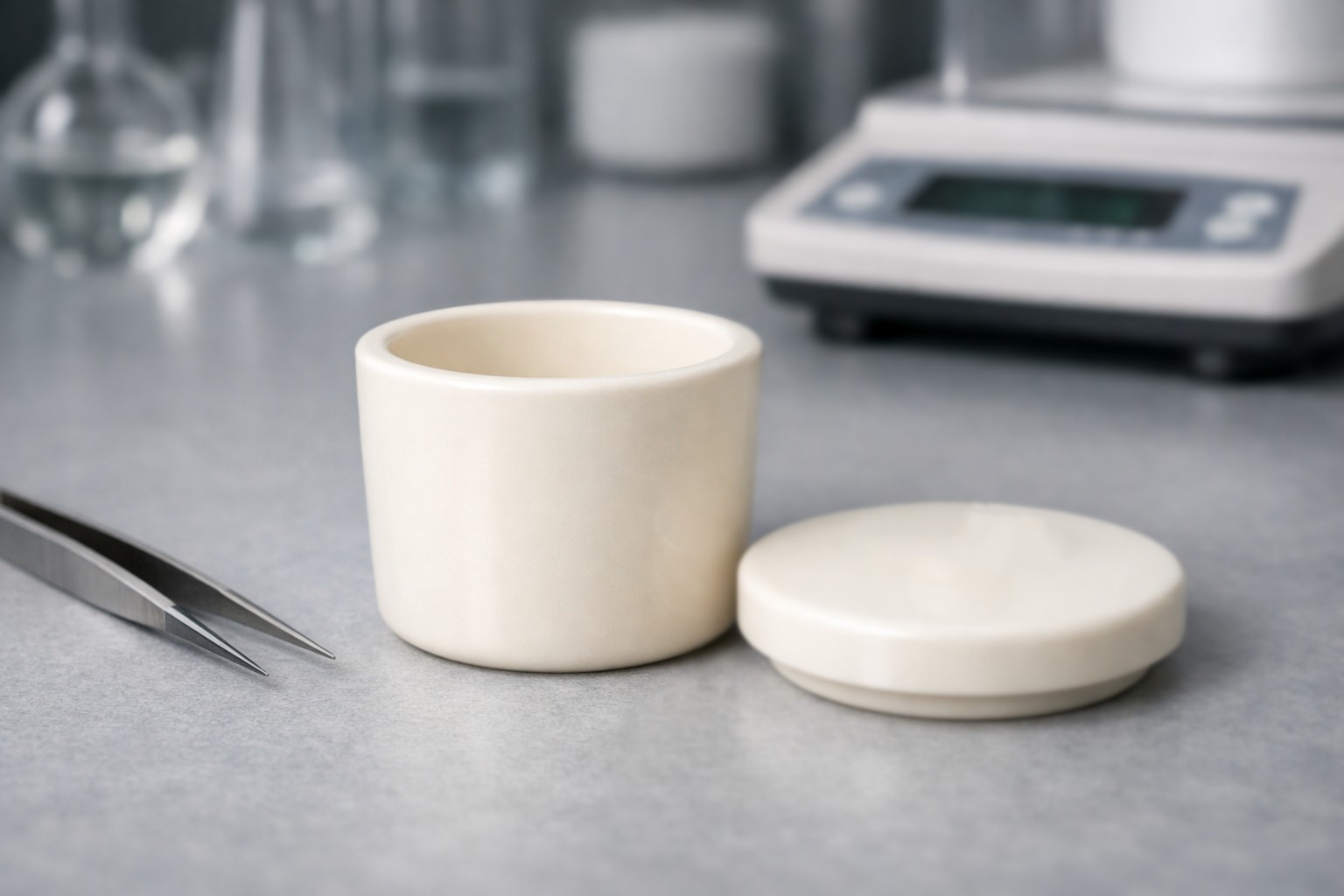
I have seen even expert labs struggle with recurring issues from overlooked details like worn seals or imprecise dimensions. Troubleshooting is simple when you address the major pain points early. This guide explains those problem areas and gives you hands-on strategies that you can use right away.
Unexpected results and equipment errors happen when there are hidden issues with crucibles. These problems can slow down your workflow and create repeat work.
Common problems with thermal analysis crucibles include improper material choice, physical damage, residue build-up, leaking during heating, and poor instrument fit. Checking each of these regularly helps catch mistakes quickly and keeps tests reliable.
| Problem | Cause | Impact | How to Identify |
|---|---|---|---|
| Corrosion | Material reacts with sample or cleaning agent | Weakens crucible, affects purity | Surface discoloration or pitting |
| Cracking | Mechanical stress, repeated heating/cooling cycles | Causes leaks, loss of sample | Visible hairline fractures |
| Contamination | Old residues not removed before reuse | Skews analysis results | Unexpected mass or appearance changes |
| Poor Fit | Wrong specification or manufacturer | Instrument errors, possible damage | Loose placement, instability on holder |
| Seal Failure | Worn caps or gaskets | Loss of volatile samples | Moisture leaks, pressure changes |
Even small sizing mismatches or remaining contaminants can change your test results. Frequent checking with tools like a magnifier or scale can help you spot these problems before they cost you data or samples.
Crucible failures during thermal tests often waste time and money. Simple steps can improve result quality and prevent crisis situations in the lab.
You can boost crucible performance by selecting correct materials for your application, cleaning thoroughly before each use, and monitoring for visible defects. Tracking how many cycles each crucible has completed also helps you replace them before failure occurs.
| Action | Benefits | Guideline |
|---|---|---|
| Material Selection | Minimizes chemical reactions with sample | Use aluminum for organics, platinum for inorganics |
| Proper Cleaning | Reduces contamination risk | Brush, rinse, or use ultrasonic bath after each run |
| Routine Inspection | Finds cracks and warping fast | Check under light for even the smallest defect |
| Track Usage Cycles | Replaces crucibles on time | List number of runs after each test |
Performance can also benefit from more advanced cleaning using a sonicator for complex residues. Keeping a written log of usage and cleaning routines helps me spot small changes and build stronger habits for my team.
It’s easy to lose track of crucible condition in busy labs. Preventative care is the best route for consistent and high-quality thermal data.
You can maintain crucible integrity with simple routines like gentle handling, steady storage, and controlled cleaning methods. Storing in dry, padded boxes and using only soft tools during cleaning prevents scratches or corrosion.
| Maintenance Strategy | How it Helps | Practical Tip |
|---|---|---|
| Controlled Storage | Reduces accidental drops, avoids damage | Store crucibles in foam-lined trays |
| Minimize Handling | Lowers risk of oil/acid transfer | Use tweezers, wear nitrile gloves |
| Regular Visual Check | Catches early-stage cracks or wear | Inspect before each use for surface changes |
| Consistent Labeling | Keeps track of age, use cycles | Assign number or color code to each crucible |
According to best practices from ISO standards, keeping an up-to-date record of all crucibles reduces mix-ups and cross-contamination. In my experience, gentle handling does more to extend life than any other maintenance step.
Labs often experience repeated failures when crucibles don’t fit or work smoothly with devices. Compatibility is vital for correct results and safe operation.
To solve equipment compatibility issues, always reference your instrument’s manual, match crucible specifications, and consult with your supplier about third-party crucibles. These steps help ensure proper fit and optimal test performance.
| Compatibility Challenge | Solution | Result |
|---|---|---|
| Mismatched Dimensions | Check exact device model and match measurements | Prevents leaks, ensures correct placement |
| Incorrect Material | Refer to compatible materials listed by manufacturer | Avoids chemical reactions or early failure |
| Missing Part Number | Use a part number cross-reference for ordering | Faster order processing, fewer returns |
| Firmware Updates | Check for device updates before new crucible types | Ensures compatibility with latest software |
Compatibility issues drop sharply when you keep updated with instrument documentation and industry OEM notices. Open dialogue with suppliers is valuable when you need matched alternatives for out-of-stock or legacy parts.
Regular attention to crucible maintenance, specification, and compatibility helps keep your thermal analysis smooth and produces reliable data every time.


C082.Wangdefu International Building, Furong, Changsha, Hunan, China


+86-19907415020