


SHOPPING CART
Your cart is empty.
shop now
Your cart is empty.
shop now
Picking DSC pans based only on price usually leads to poor results and higher costs over time. Buying cheap can quickly become expensive.
Good DSC pan selection finds a balance between cost and quality. Choosing reliable, well-made pans results in fewer errors, less downtime, and lower overall spending in your lab.
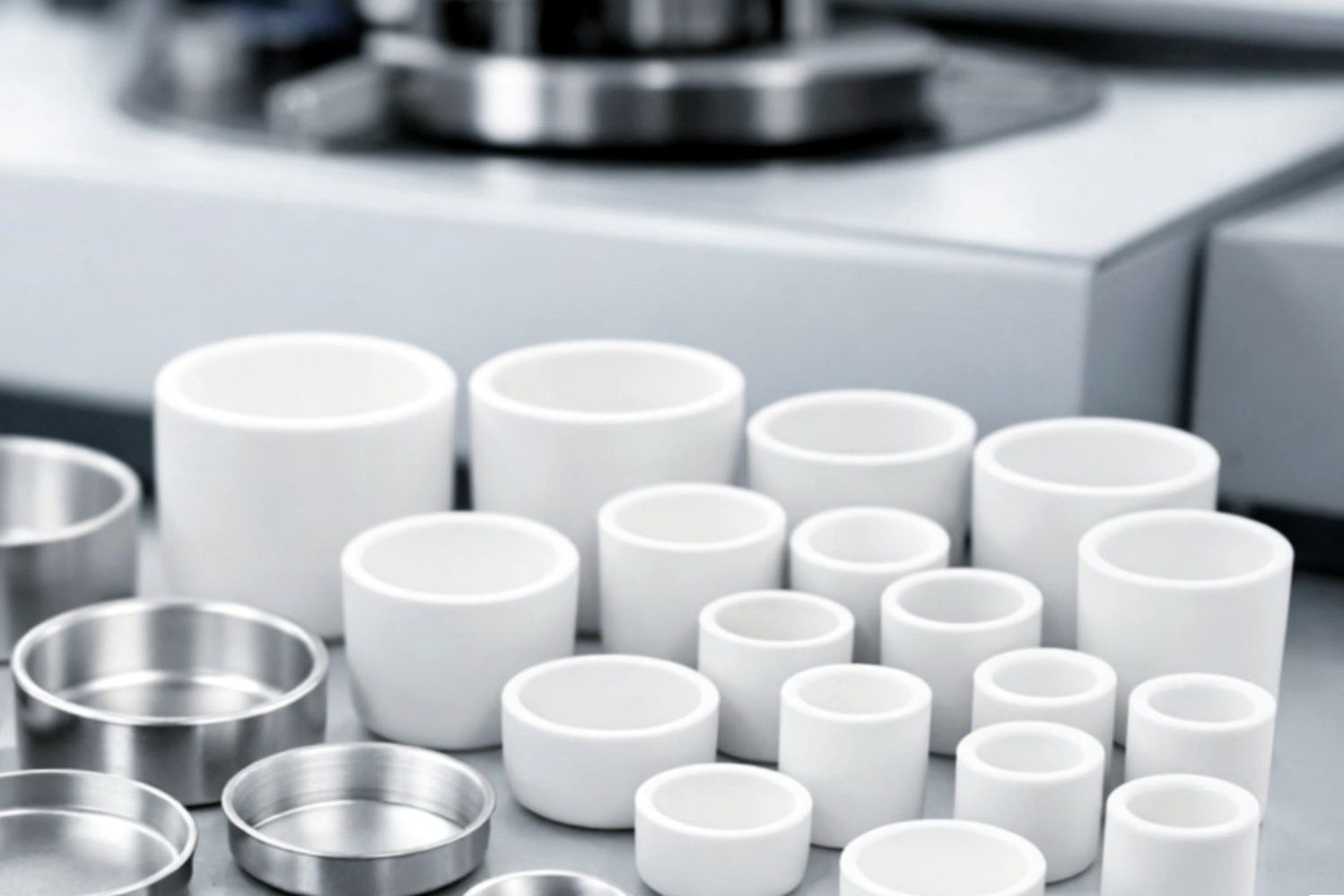
When I started buying for my own thermal analysis needs, I always looked for the lowest price. After getting inconsistent results and wasting time, I learned that better pans actually save money long term. Now I use a clear process to weigh cost and quality. Let me share how I do it, and how you can make better choices for your lab.
Many labs fall into the trap of picking the cheapest pans available. This often brings disappointment and extra work later.
Select DSC pans that meet strict quality and compatibility standards, even if their price is mid-range. Look for pans with pure materials and precise manufacturing for dependable thermal results.
| Key Criteria | What to Look For | Why It Matters |
|---|---|---|
| Material Purity | >=99.99% pure aluminum or platinum | Reduces signal noise, ensures baseline stability |
| Manufacturing Tolerance | ±0.01mm fit for device | Ensures thermal contact, avoids leaks |
| Brand Compatibility | Certified for NETZSCH, TA INSTRUMENTS, METTLER, etc. | Secures proper fit and accurate readings |
I found that nearly all my data errors disappeared when I stuck to these quality markers. Labs that buy only mid-price but quality-confirmed pans end up with more reliable tests and fewer re-runs. Learn about calorimetry specifications before purchasing.
Paying more upfront is hard for any lab budget. But poor pans force you to repeat expensive tests and waste expensive samples.
High-quality DSC pans reduce downtime, improve result stability, and need fewer replacements. They create more value than any small short-term savings from low-cost pans.
| Benefit | How It Saves Long-Term | Example |
|---|---|---|
| Better Data Quality | Reliable results, fewer repeat tests | More passes on first analysis |
| Fewer Breakdown Events | Less instrument contamination and maintenance | Longer instrument lifespan |
| Expert Manufacturer Support | Quick answers, model fit confirmation | Access to technical help and replacement guarantees |
I remember a project where high-quality pans cut weeks off the schedule due to fewer errors and repeat tests. High price in the beginning often becomes low cost over the lifetime of a lab. Reliable consumables matter, no matter the size of your organization.
Comparing prices seems simple, but specs and pack sizes often differ. This makes price comparisons hard.
To compare fairly, always check unit price per pan, pack size, standard specs, and any extra fees. Choose brands with transparent quality documents and clear after-sale support.
| Comparison Factor | How to Check | Value for Buyers |
|---|---|---|
| Unit Price | Divide pack price by pan number | Easy comparison across suppliers |
| Technical Certification | Look for ISO, ASTM, or brand-match papers | Guarantees compatibility |
| Shipping & Extras | Read quote for delivery, custom charges | Prevents surprise costs after order |
When I started tracking price per pan, several "cheap" offers ended up being more costly after hidden fees and low-quality losses. Smart labs use spreadsheets to compare real value and proof of quality assurance. Only then can the best offers be found.
Initial low costs can seem attractive. But poor pans lead to rework, wasted samples, and may even damage your DSC instrument.
The true price includes soft costs like lost time, failed experiments, staff training, and more instrument cleaning or repair. Bad pans create problems you will keep paying for later.
| Hidden Cost | Real-World Example | Prevention Tip |
|---|---|---|
| Repeat Experiments | Low-quality pans fail tolerances, force retests | Buy from audited suppliers |
| Sample Waste | Ruined samples increase overall expenses (laboratory sample loss) | Use certified, compatible pans |
| Instrument Downtime | Poor pans damage sensor or chamber | Regular inspection and switching to higher-end pans |
I have seen projects delayed two weeks just because of cracked or leaking pans. The time and cost to repeat those tests far outweighs savings found on discount consumables. Protecting ROI means avoiding the "cheapest available" and thinking of the total cost from start to finish.
Balancing cost and quality means buying DSC pans that give true value over time. Trust solid technical documentation and supplier support to keep your lab efficient.

C082.Wangdefu International Building, Furong, Changsha, Hunan, China


+86-19907415020