



SHOPPING CART
Your cart is empty.
shop now
Your cart is empty.
shop now
Many labs face challenges in choosing the right DSC sample pan because small technical details are often overlooked. The wrong selection can cause data errors or even instrument damage.
To use PerkinElmer DSC sample pans effectively, you need to understand their key specifications—temperature range, volume capacity, and sealing options. Knowing how to match these with your DSC instrument will boost performance and accuracy.
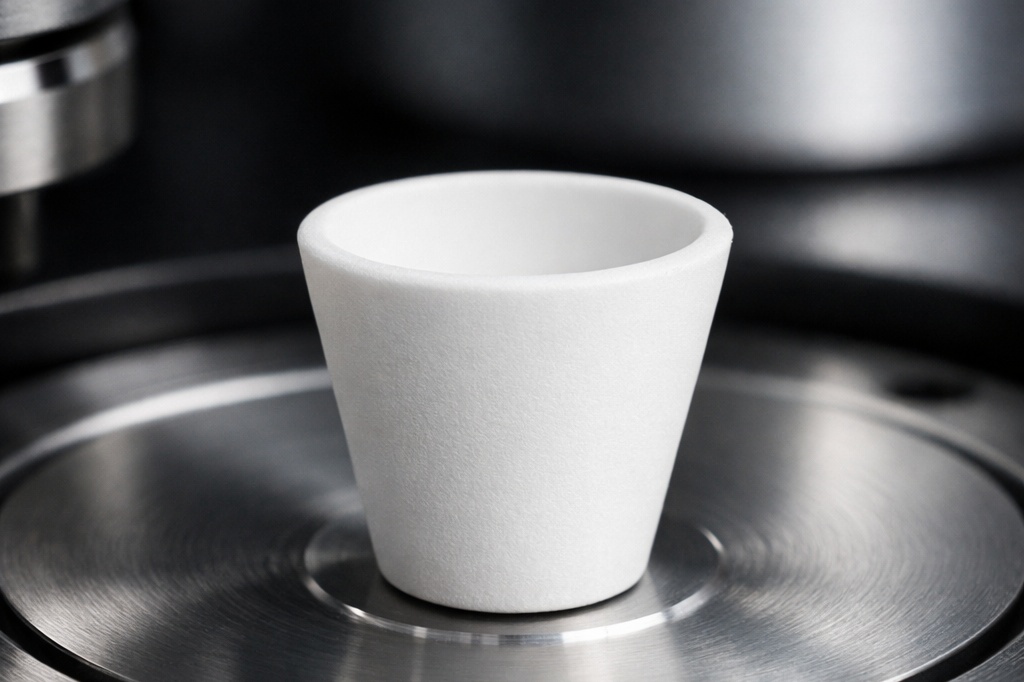
I have worked in labs where ignoring a basic pan detail led to hours of troubleshooting. Over time, I learned that following the correct specifications avoids many setbacks. Reliable sample pans save time, money, and produce results you can trust.
Choosing pans without checking the temperature limit can lead to sample loss or pan damage. Lab teams often overlook this until a test fails.
The typical temperature range for PerkinElmer DSC sample pans is from -180°C up to 600°C for aluminum pans, and up to 1600°C for platinum versions.
| Pan Material | Temperature Range | Best Applications |
|---|---|---|
| Aluminum | -180°C to 600°C | General polymer and food thermal analysis |
| Platinum | -180°C to 1600°C | High-temperature studies, ceramics, and advanced materials (PerkinElmer reference) |
| Gold | -180°C to 650°C | Precise pharmaceutical or chemical studies |
When testing battery materials, I use platinum pans to prevent melting or data loss at higher temperatures. My experience matches the research from equipment guides and technical papers. Always check both the sample’s needs and pan limits before running a new test. If you are unsure, your instrument manual or manufacturer specs are good sources.
A pan that is too large or too small can skew DSC results, yet many teams ignore volume when setting up new tests. Misjudging volume affects the whole heating profile.
The volume capacity tells you how much sample fits inside. Most PerkinElmer DSC pans hold between 20 µL and 50 µL, suitable for small solid or liquid test samples.
| Volume (µL) | Sample Types | Considerations |
|---|---|---|
| 20–30 µL | Pharmaceutical powders, fine polymers | Best for fast heating, minimizes baseline drift |
| 30–50 µL | General purpose, larger solids or small liquids | Works for most DSC studies (DSC basics) |
| 50+ µL | Granular, composite, or sample blends | May slow heat response; check pan depth matches sensor |
I have adjusted pan volume many times to fit samples for both pharmaceuticals and adhesives. If more signal is needed, larger pans help, but they may reduce thermal response. My advice is to follow the method in your standard or published literature and use the pan size most often recommended for your instrument.
Many labs see leaks or evaporation in DSC runs, especially with volatile or sensitive samples. Picking the wrong seal type can waste both time and sample.
PerkinElmer provides pans with hermetic seals, crimped lids, or open designs. Hermetic sealing prevents moisture and gas escape, while open pans allow faster evaporation for stable solids.
| Sealing Type | Best Use Case | Notes/Reference |
|---|---|---|
| Hermetic | Volatile, wet, or oxidation-sensitive samples | Keeps moisture and volatiles in, details |
| Crimped | General solids, moderate liquids | Prevents moderate evaporation, easy to use |
| Open | Stable solids, high-temperature studies | Allows water or solvent to escape, suits non-volatile samples |
Early in my career, hermetic seals saved several precious pharmaceutical samples when running DSC under humid conditions. Choosing sealing type depends on your analysis method and expected sample changes. I always align sealing strategy with material volatility and heat range.
Many result failures happen because the pan and instrument are mismatched. Careful review prevents costly mistakes and protects valuable samples.
Start by checking the instrument manual for compatible pans, including size and material. Make sure seal type and temperature rating meet your exact test requirements.
| Specification | Compatibility Check | Advice/Reference |
|---|---|---|
| Size/Shape | Pans must match the sample holder thermal sensor | Check user manual or calorimeter accessory list |
| Material | Use aluminum or platinum as recommended for your test’s range | Match with sample’s chemical and heat limits |
| Sealing Method | Pick a seal that works for both instrument and sample type | Some seals require accessories built for your DSC model |
| Certification | Ask for batch test reports for sensitive or regulatory work | Some labs need ISO certified pans |
My team never starts a new project until we match sample pan specs with both the method and the DSC instrument. Sometimes we order a test batch from suppliers to confirm fit and avoid downtime. A little double-checking early means each test is dependable and the data is trusted by the whole team.
Understanding DSC pan specifications helps labs avoid wasted samples, ensures compatibility, and secures more dependable thermal data for every research or quality control project.
Contact Us: info@redthermo.com

C082.Wangdefu International Building, Furong, Changsha, Hunan, China


+86-19907415020