



SHOPPING CART
Your cart is empty.
shop now
Your cart is empty.
shop now

High-purity aluminum sample pans are the best option for DSC polymer analysis because they provide strong thermal conductivity, chemical resistance, and accurate sealing. These pans improve heat transfer, resist contamination, and deliver reliable polymer transition results, making them superior to other materials like gold or platinum in most everyday laboratory applications.
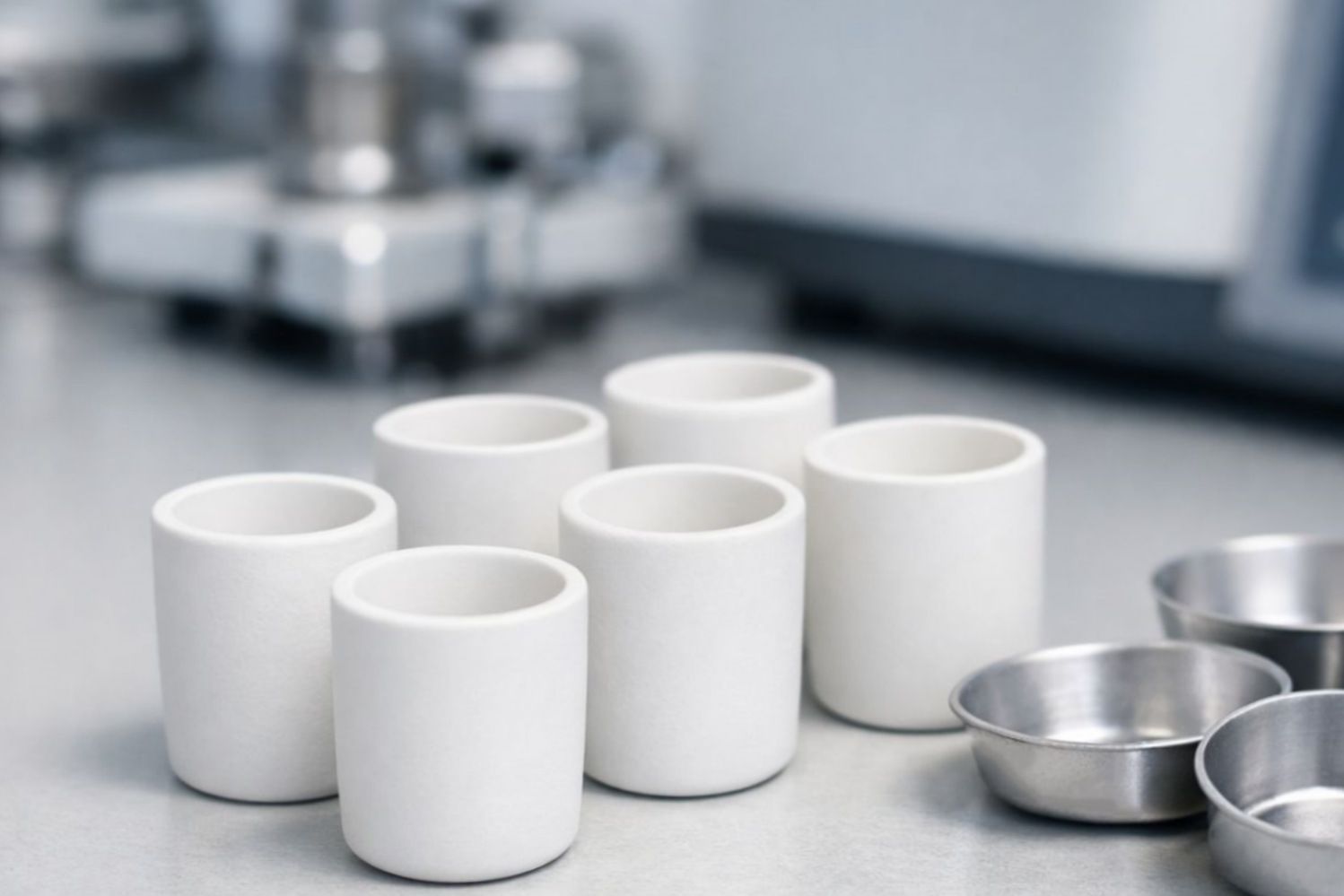
Reusing DSC crucibles is technically possible but generally not recommended. Most aluminum crucibles are single-use due to contamination risks. Platinum or ceramic crucibles may be reused with proper cleaning, but always check sample integrity and manufacturer guidance before reuse.
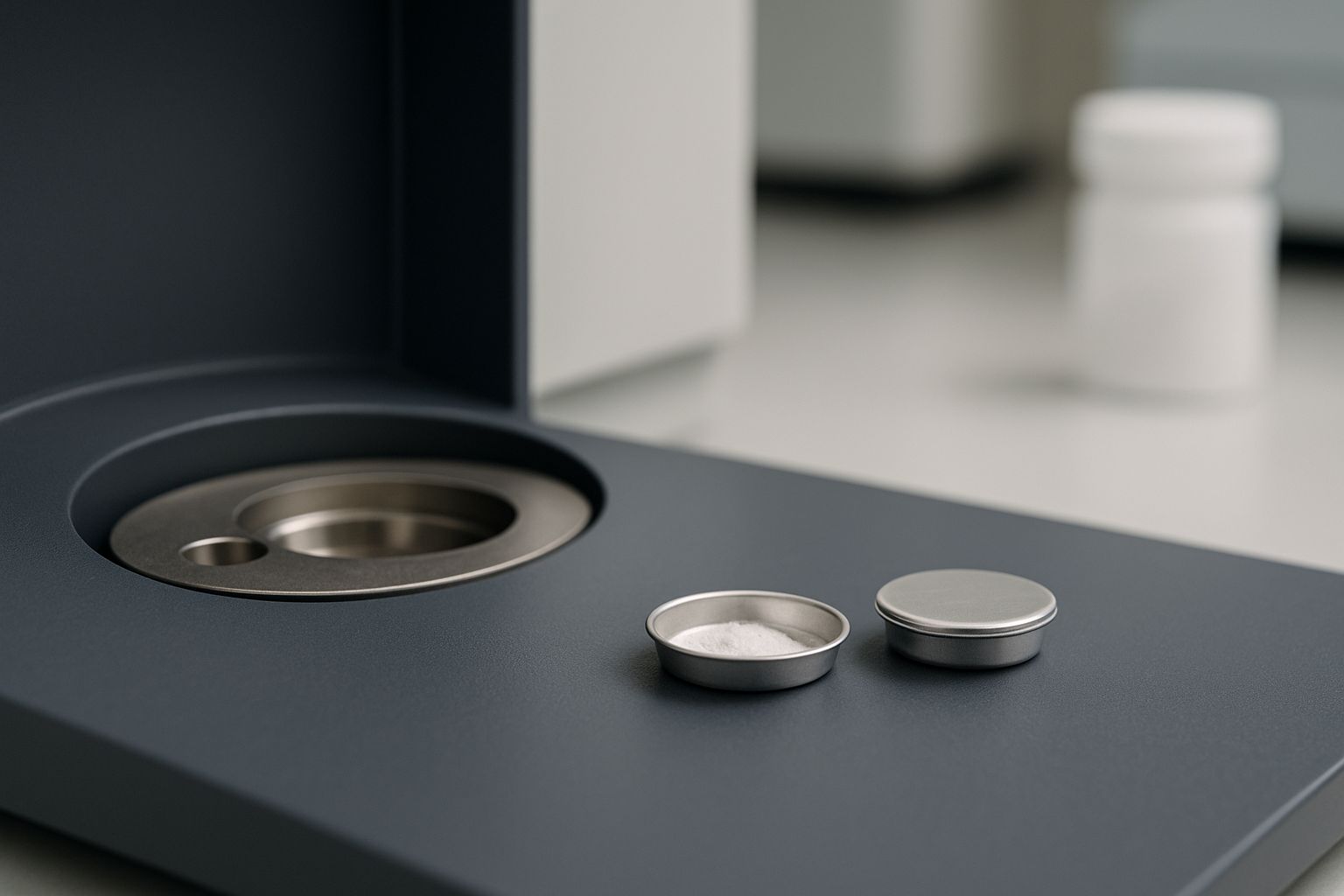
Proper pan sealing in DSC analysis prevents sample loss, contamination, and data errors. Sealing with correct techniques, like crimping or manual closure, improves heat transfer, measurement reliability, and protects samples during thermal analysis.

Global developments—such as supply chain disruptions, new regulations, evolving standards, and market trends—are changing DSC pan selection. Laboratories now adapt sourcing and compliance strategies to secure access to high-quality pans and ensure reliable thermal analysis results.
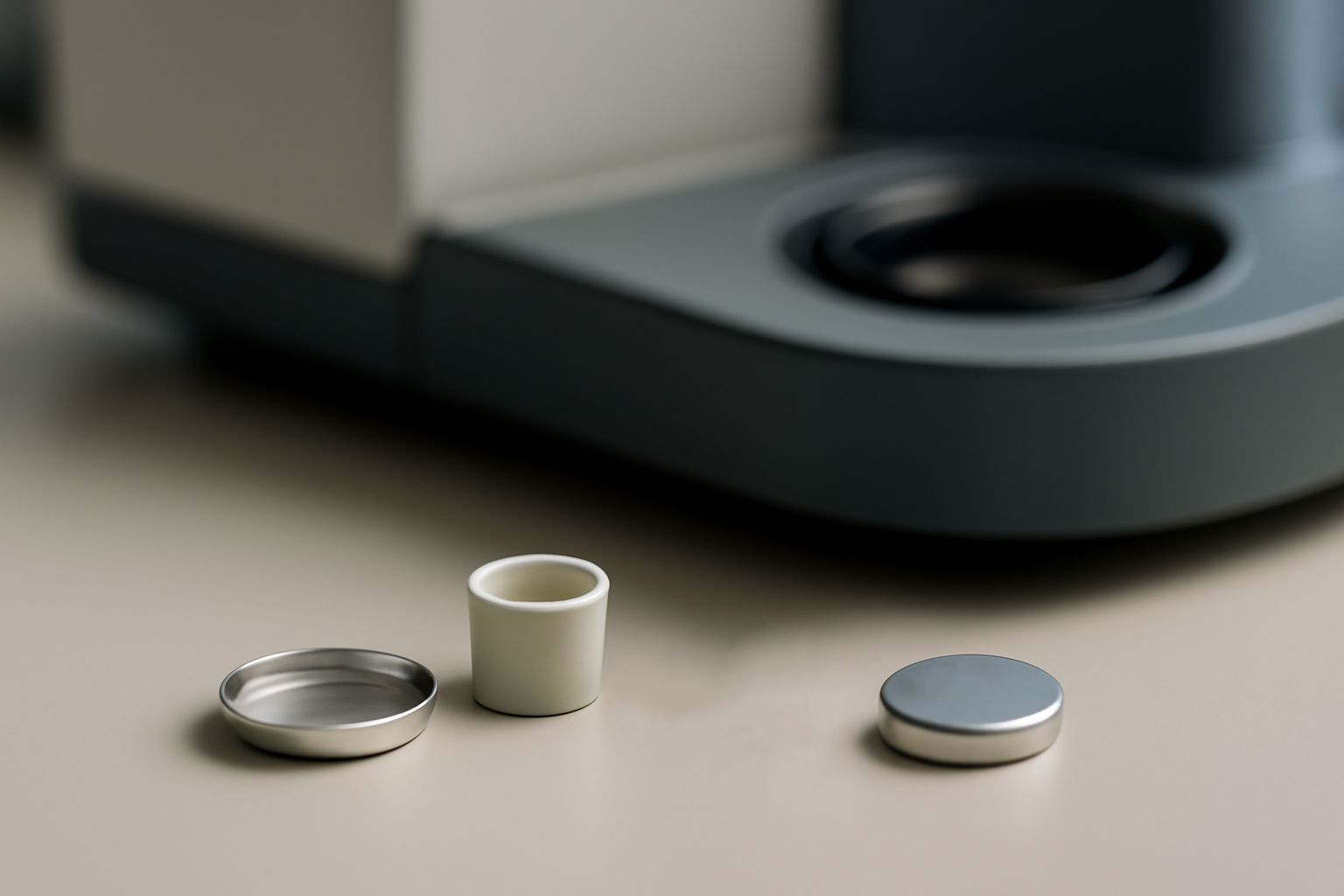
The latest DSC pan trends focus on advanced materials like platinum and high-purity aluminum, stricter industry standards, and new applications in batteries, electronics, and food safety. Staying updated helps laboratories choose pans that improve thermal analysis accuracy and meet evolving research demands.
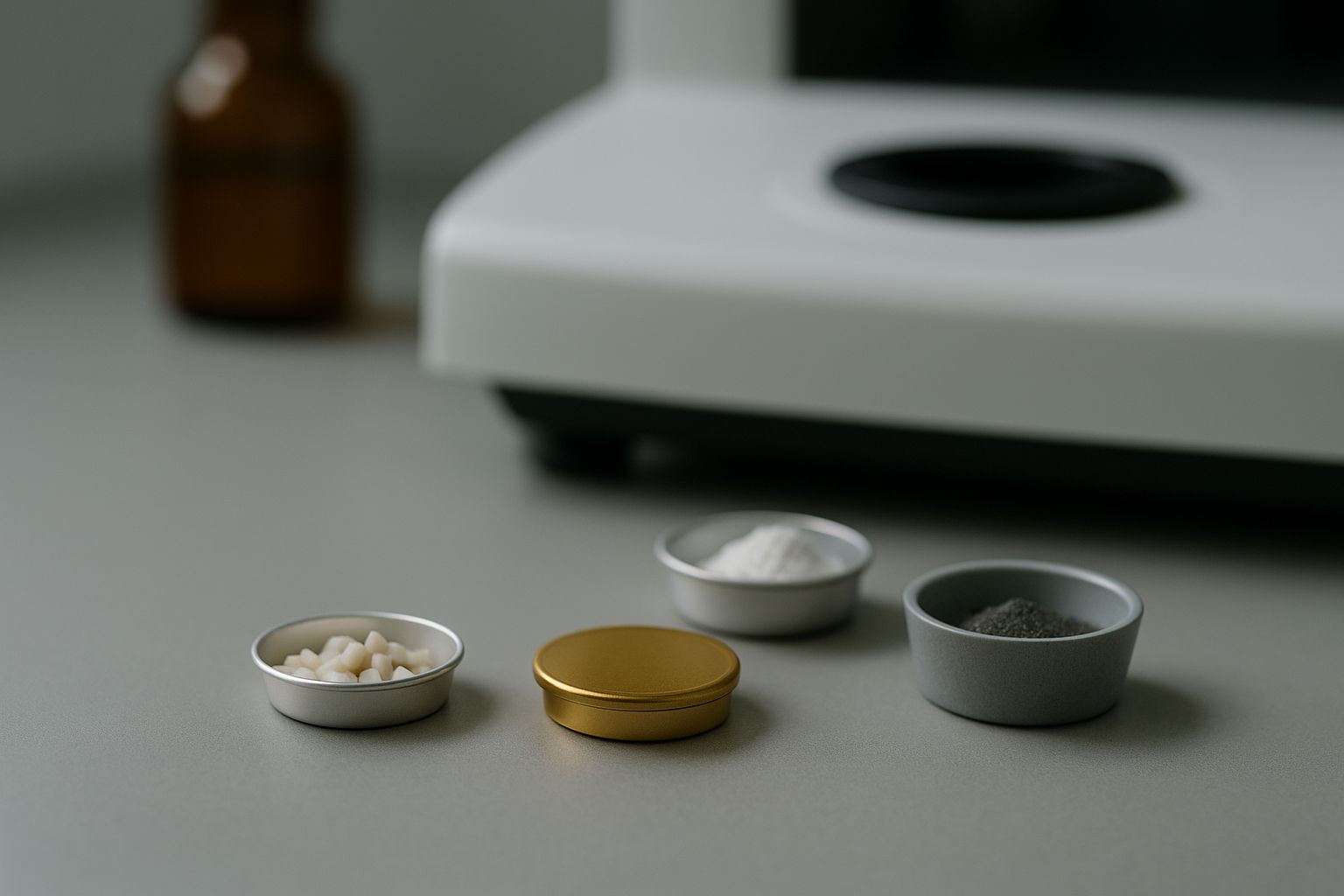
Selecting the right DSC pan depends on your application. Use high-purity aluminum pans for polymers, hermetic pans for pharmaceuticals and volatile samples, and platinum or ceramic pans for high-temperature analysis. Matching pan type to sample ensures precise thermal analysis data in each scenario.
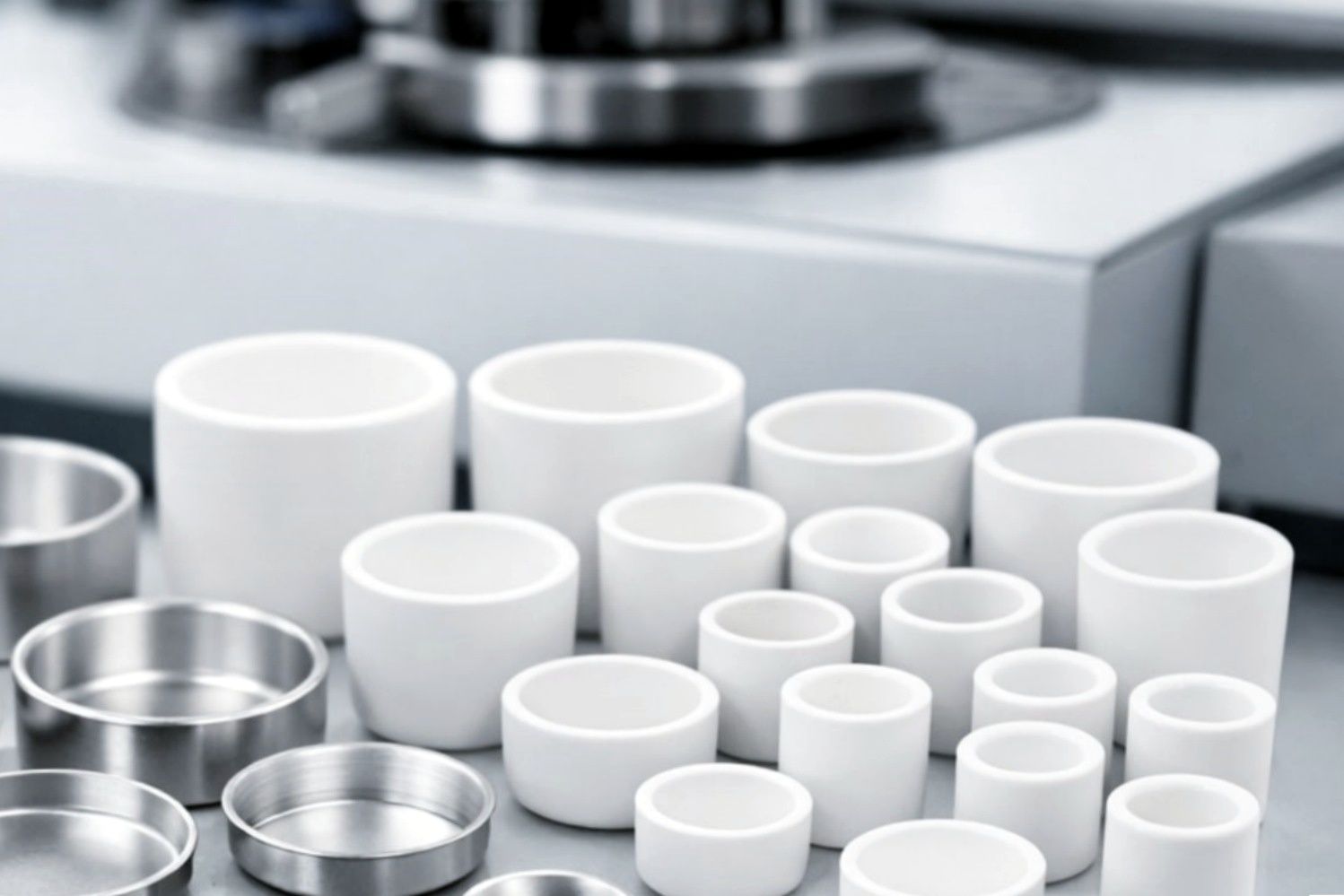
To balance cost and quality in DSC pan selection, choose pans made from certified high-purity materials, ensure manufacturer compatibility, and review independent technical documentation. High-quality pans offer reliable thermal analysis and reduce hidden costs over the lifetime of your laboratory operations.
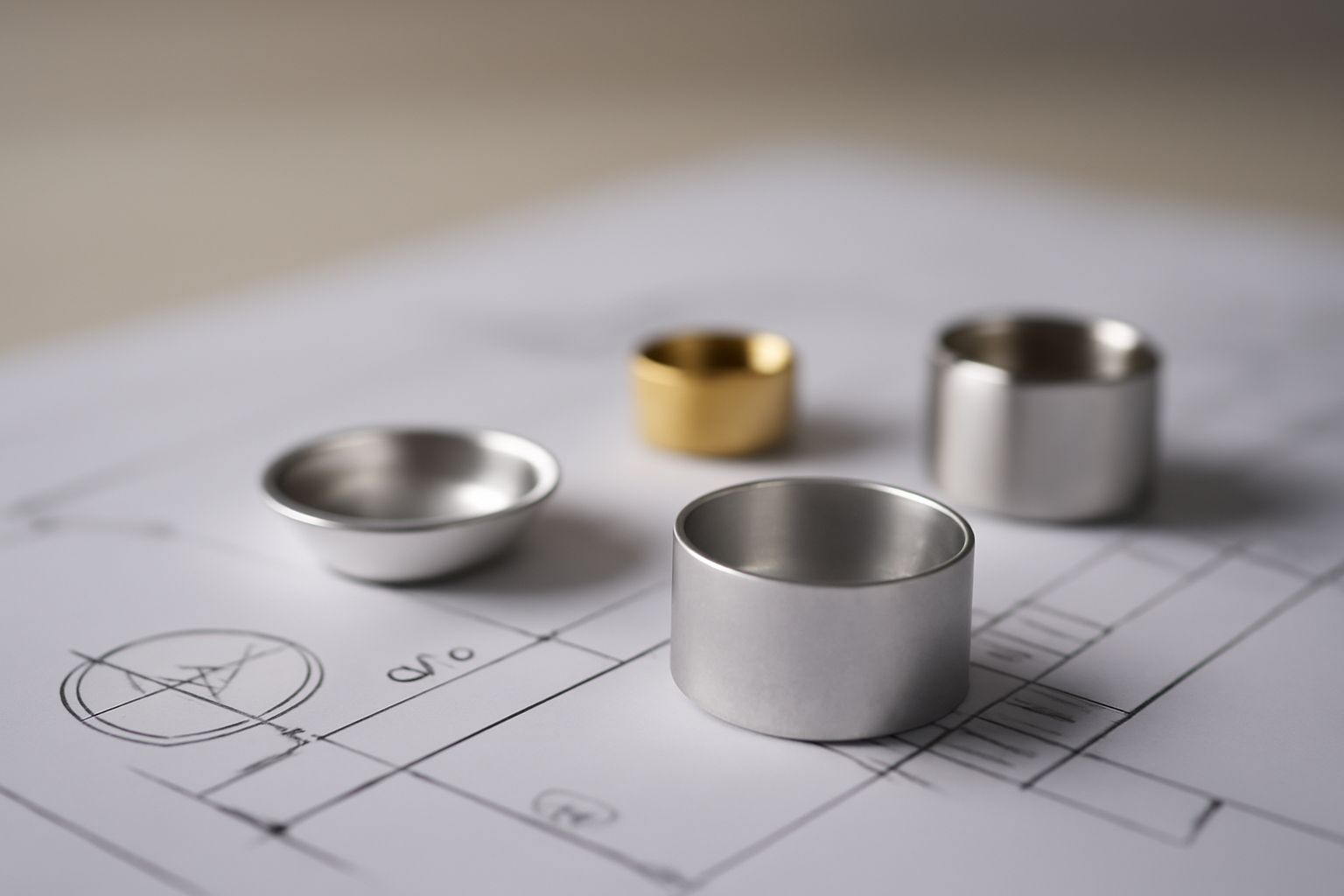
To troubleshoot DSC pans, check for leaks, clean pans after every use, and use high-purity, compatible materials. Ensure proper sealing, handle pans carefully, and replace any damaged parts to avoid data anomalies and maintain reliable differential scanning calorimetry results.


C082.Wangdefu International Building, Furong, Changsha, Hunan, China


+86-19907415020